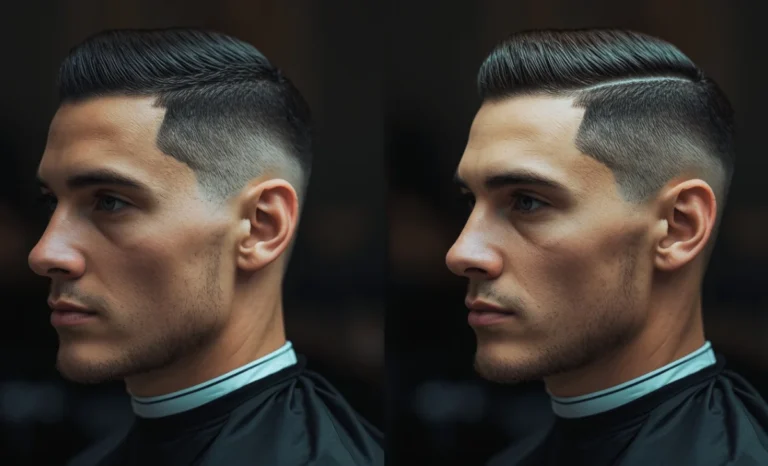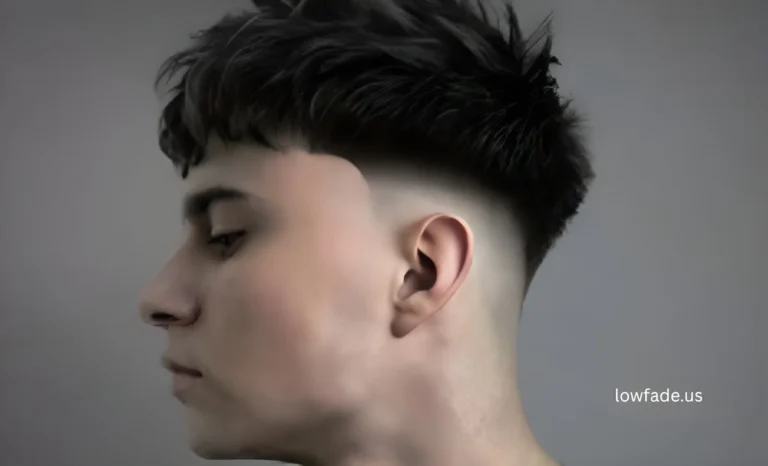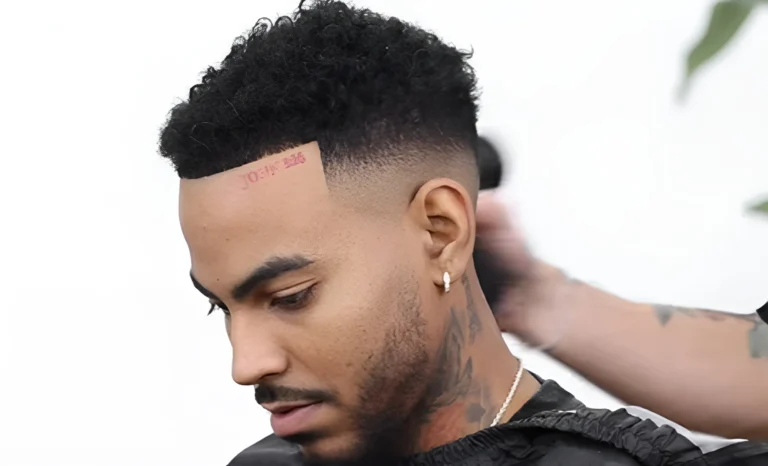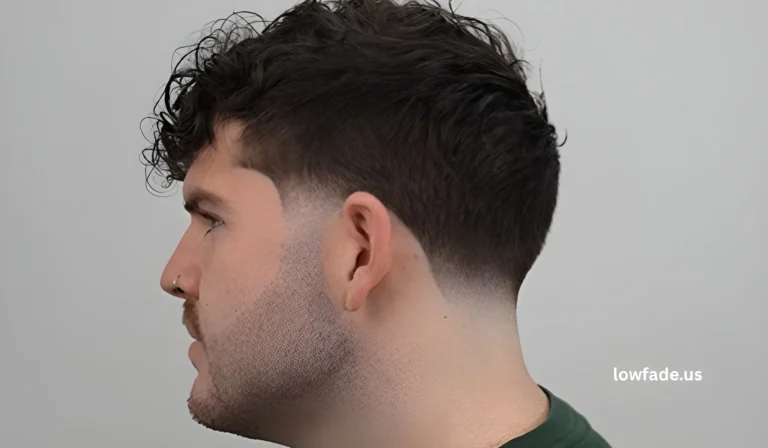
The Effortlessly Sharp French Crop Low Fade Haircut Dominating 2026 Men’s Style
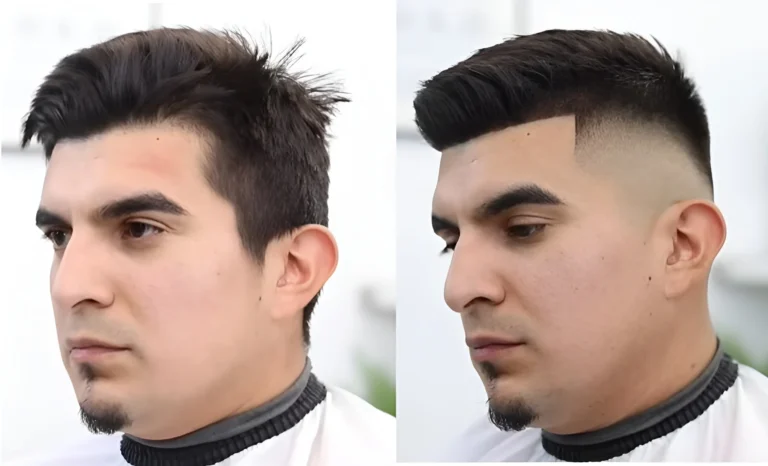
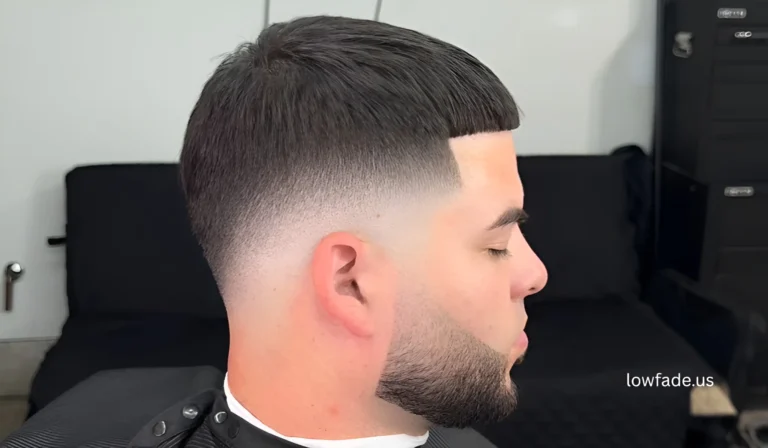
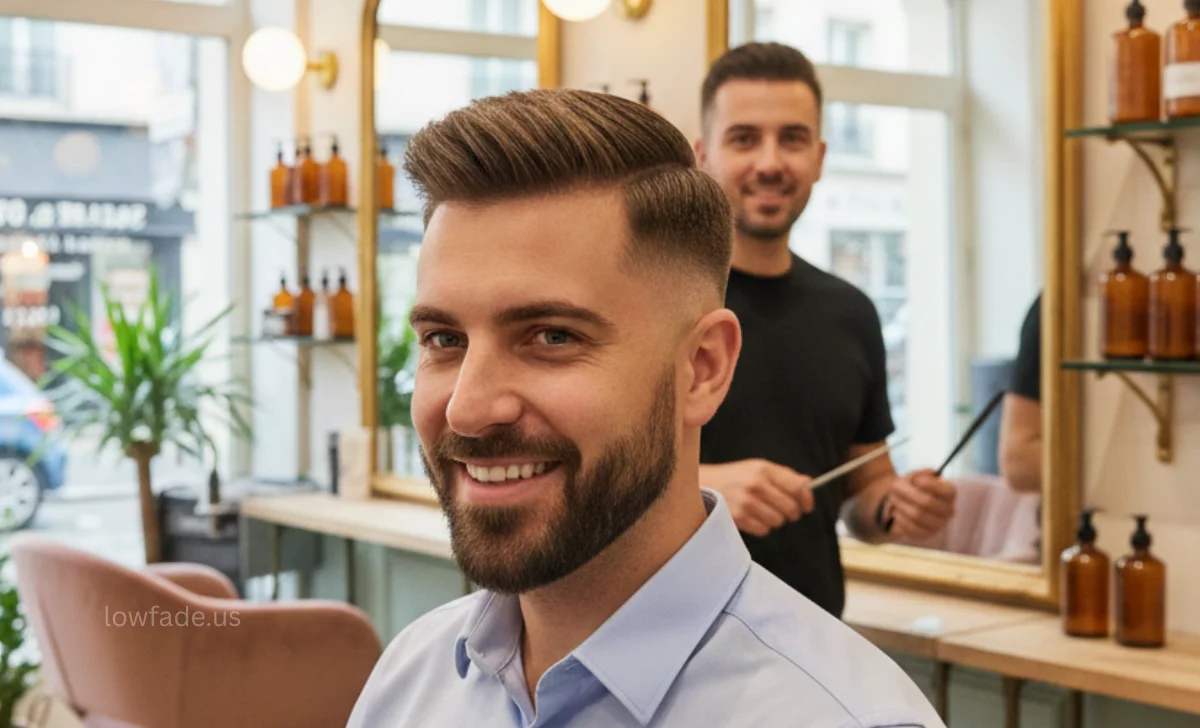
The French crop low fade has become the go-to haircut for men who want maximum style with minimal effort. This contemporary cut blends a textured, forward-brushed top with a subtle low fade that tapers just above the ears, creating a clean yet relaxed silhouette. Perfect for straight, wavy, or curly hair, the French crop low fade works in any setting—from boardrooms to casual weekends. Its understated fade keeps things professional while the cropped fringe adds modern edge and personality.
Table of Contents
- What is a Low Fade French Crop?
- Why This Haircut is Trending in 2025
- Different Variations Explained
- Hair Type Guide
- Face Shape Compatibility
- How to Ask Your Barber
- Styling Tutorial
- Maintenance Schedule
- Product Recommendations
- Cost Breakdown
- Celebrity Inspirations
- Common Mistakes to Avoid
- FAQ
What is a Low Fade French Crop?
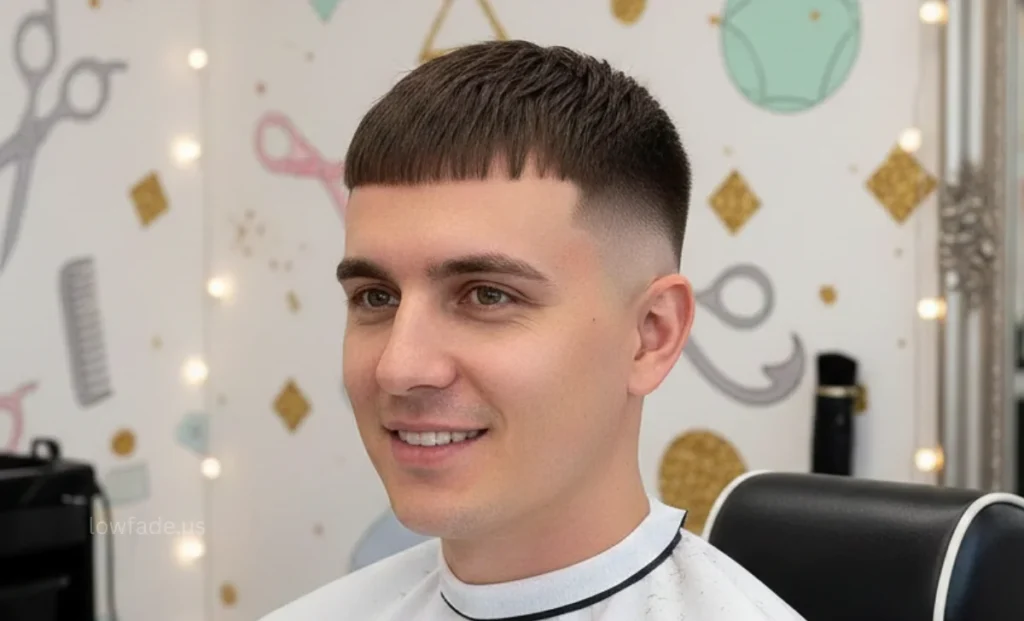
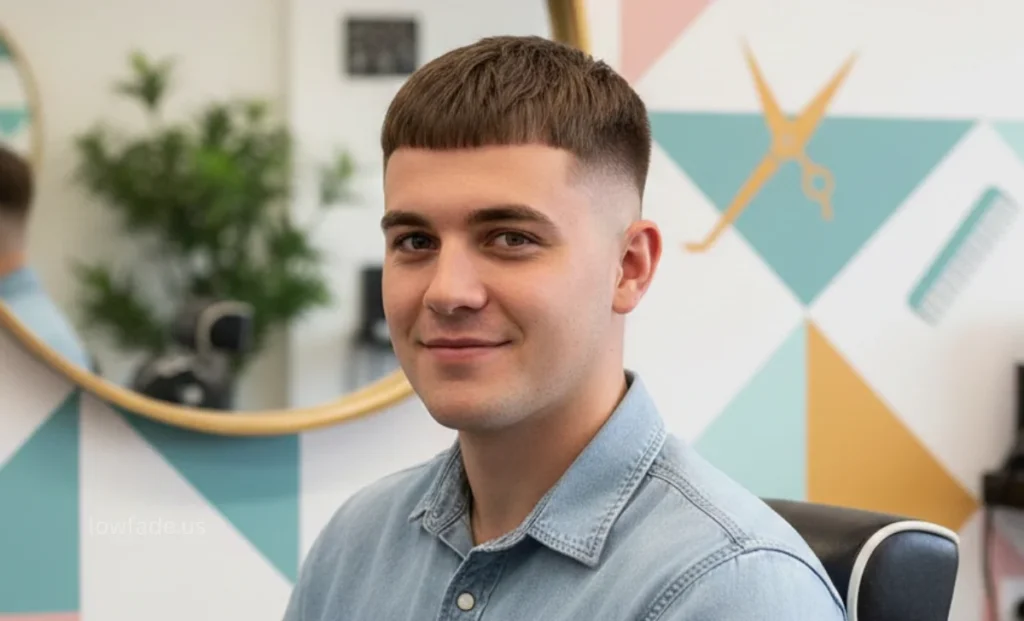
A low fade french crop is a contemporary men’s haircut featuring short, textured hair on top with a horizontal fringe, combined with a fade that starts just above the ears and gradually tapers down the sides and back. This modern low fade french crop represents the perfect marriage between classic European styling and modern American barbering techniques.
The defining characteristics include:
- A short, forward-falling fringe (typically 1-2 inches)
- Textured top section for natural movement
- Clean fade beginning approximately one inch above the ear
- Gradual transition from longer to shorter hair
- Neat, defined hairline and neckline
The low fade french crop haircut has become a staple in barbershops worldwide because it offers professional sophistication with minimal daily maintenance. Unlike high-maintenance styles that require constant attention, the french crop with low fade maintains its shape for weeks while looking intentionally styled.
The Historical Origins (Unique Content)
What most people don’t realize is that the French crop originated from military haircuts in France during the early 20th century. French soldiers needed practical, low-maintenance cuts that could withstand combat conditions while maintaining a neat appearance. The forward fringe helped keep sweat and rain out of their eyes during battle, while the short sides ensured helmets fit properly.
Modern barbers have revolutionized this historical military cut by incorporating precision fading techniques that weren’t possible with traditional hand clippers. The addition of the low fade—a technique that gained popularity in American barbershops during the 1980s and 1990s—transformed the utilitarian military cut into the stylish textured french crop low fade we see today. This fusion of French and American barbering traditions creates a truly international style.
Why the Low Fade French Crop is Trending in 2026
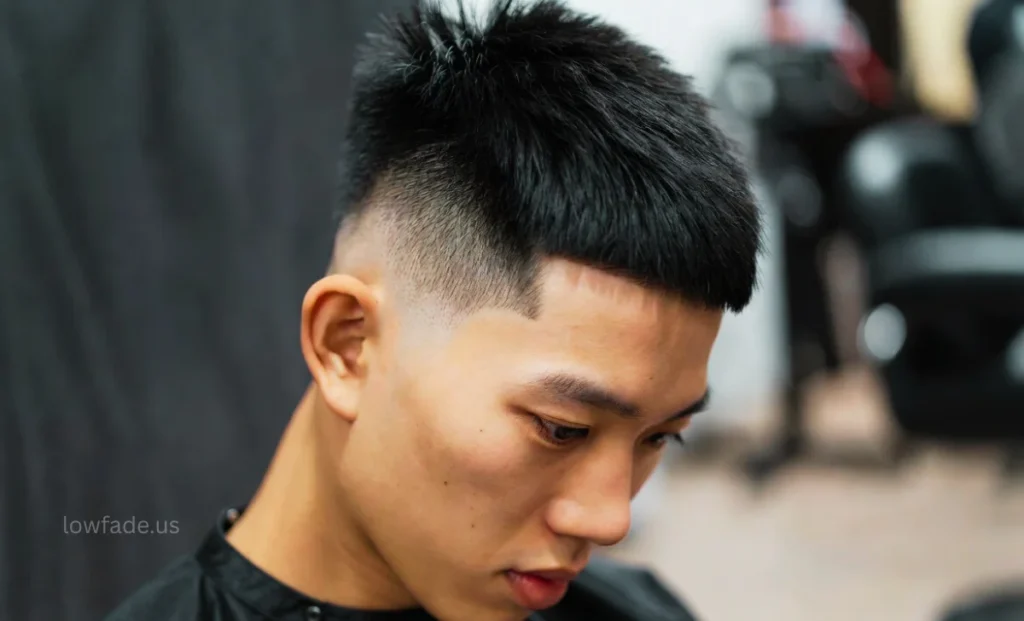
The low taper fade french crop has experienced explosive growth in popularity for several compelling reasons that extend beyond simple aesthetics.
Versatility Across Settings
The french crop low taper fade seamlessly transitions from boardroom to weekend barbecue. Corporate professionals appreciate how the clean fade maintains professional standards, while the textured top prevents the “too serious” appearance of traditional business cuts. The style works equally well with a suit and tie or casual jeans and t-shirt, making it an economical choice for men with diverse lifestyle needs.
Low Maintenance Requirements
Unlike pompadours, quiffs, or other high-maintenance styles, the low fade with french crop requires minimal daily attention. Most men can achieve their desired look in under five minutes using basic products. The short length means less time shampooing and drying, while the forward fringe naturally falls into place without extensive blow-drying or heat styling.
Universal Face Shape Compatibility
The french crop haircut low fade works with virtually any face shape when properly customized. Barbers can adjust fringe length, top volume, and fade placement to complement individual features. This adaptability means men don’t need to sacrifice style for suitability—they can have both.
Economic Efficiency
While the fade requires regular maintenance, the top section can grow out gracefully for 4-6 weeks. This means men can stretch their haircut budget by only maintaining the fade every 2-3 weeks while letting the top develop more texture and length. Many barbershops offer “fade-only” touch-up services at reduced rates.
Social Media Influence
Instagram and TikTok have showcased thousands of low fade french crop variations, making the style highly visible to younger demographics. Professional barbers post transformation videos that demonstrate the cut’s potential, inspiring men to try it themselves. The hashtag #frenchcrop has generated millions of posts, creating a community around the style.

Different Variations of Low Fade French Crop Explained
Textured French Crop Low Fade
The textured french crop low fade emphasizes dimension and movement through strategic layering techniques. Barbers use point-cutting, slide-cutting, and texturizing shears to create choppy, uneven layers that catch light differently and create visual interest. This low fade textured french crop works exceptionally well for men with naturally thick hair who want to reduce bulk while maintaining fullness.
The texturing process involves:
- Creating shorter interior layers for lift
- Leaving slightly longer perimeter pieces for definition
- Point-cutting the fringe for a softer edge
- Using thinning shears to remove weight without losing length

Messy French Crop Low Fade Variations
The messy french crop low fade embraces deliberately disheveled styling that projects casual confidence. This isn’t about looking unkempt—it’s about achieving that perfectly imperfect appearance that suggests effortless style. The messy french crop low taper fade combines the relaxed textured top with a refined fade, creating an interesting juxtaposition between casual and polished.
Achieving the messy aesthetic requires:
- Matte finish products (never high-shine)
- Application to damp rather than dry hair
- Scrunching and tousling rather than combing
- Intentional separation of hair strands
- Avoiding over-styling that looks forced

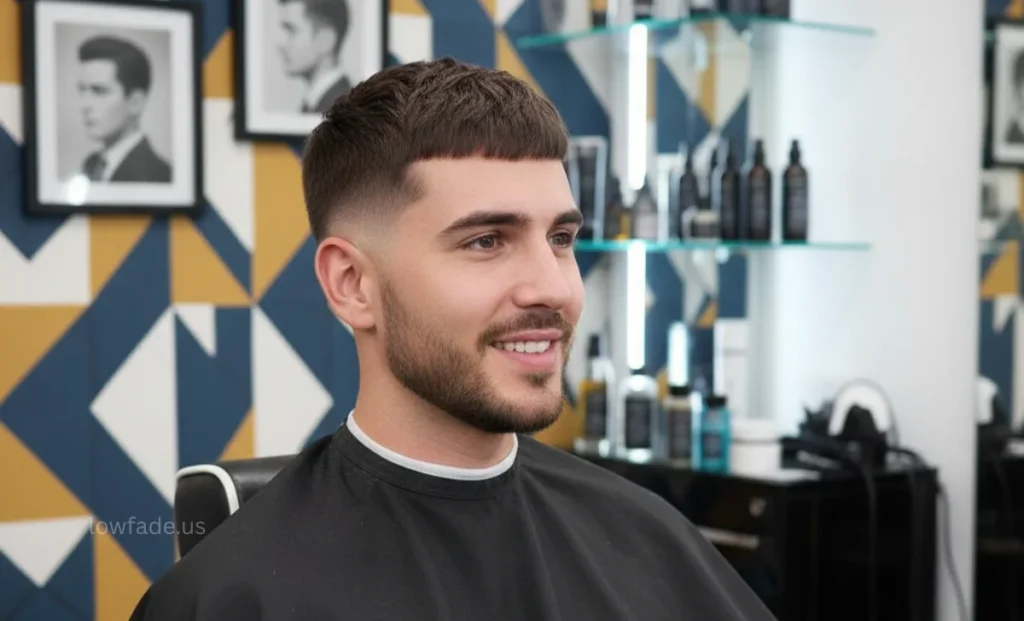
Low Taper Fade French Crop
The low taper fade french crop represents a more conservative approach to fading. Instead of taking hair down to the skin, the taper gradually reduces length while maintaining visible hair throughout the fade. The french crop low taper fade creates a softer, more gradual transition that many professionals prefer for workplace appropriateness.
Key differences from skin fades:
- Maintains stubble-length hair at the shortest point
- Creates a more subtle contrast
- Grows out more gracefully between cuts
- Appears less dramatic and more traditional
- Works better for men with sensitive skin
The french crop with low taper fade particularly suits conservative industries like finance, law, and government where extreme styles may be frowned upon. The low taper fade with french crop delivers modernity without pushing boundaries.
For those wanting minimal length on top, the french crop short low taper fade keeps everything tight and compact while maintaining that characteristic tapered silhouette.
Low Skin Fade French Crop
The french crop low skin fade takes fading to its maximum extent by gradually reducing hair length all the way to bare skin. This low skin fade french crop creates dramatic contrast between the textured top and clean sides, emphasizing the haircut’s architectural qualities.
The skin fade technique involves:
- Multiple clipper guard sizes (typically 0.5 to 3)
- Careful blending between each guard length
- Using a foil shaver or razor for the skin line
- Precise attention to symmetry on both sides
- Regular maintenance every 1-2 weeks
The low skin drop fade with french crop adds an extra element by incorporating a curved fade that drops down behind the ears, creating a distinctive arc shape that adds visual interest and helps elongate rounder face shapes.

Low Drop Fade French Crop
The french crop low drop fade features a fade line that curves downward as it moves around the head, creating a dropping arc behind the ears. This low drop fade french crop adds dimensionality and works particularly well for men with round or square face shapes who want to create the illusion of length.
The drop fade technique:
- Starts at the temple area at the standard low position
- Gradually drops lower as it curves around the ear
- Reaches its lowest point at the back of the ear
- Curves back up toward the neckline
- Creates a “C” shape when viewed from the side
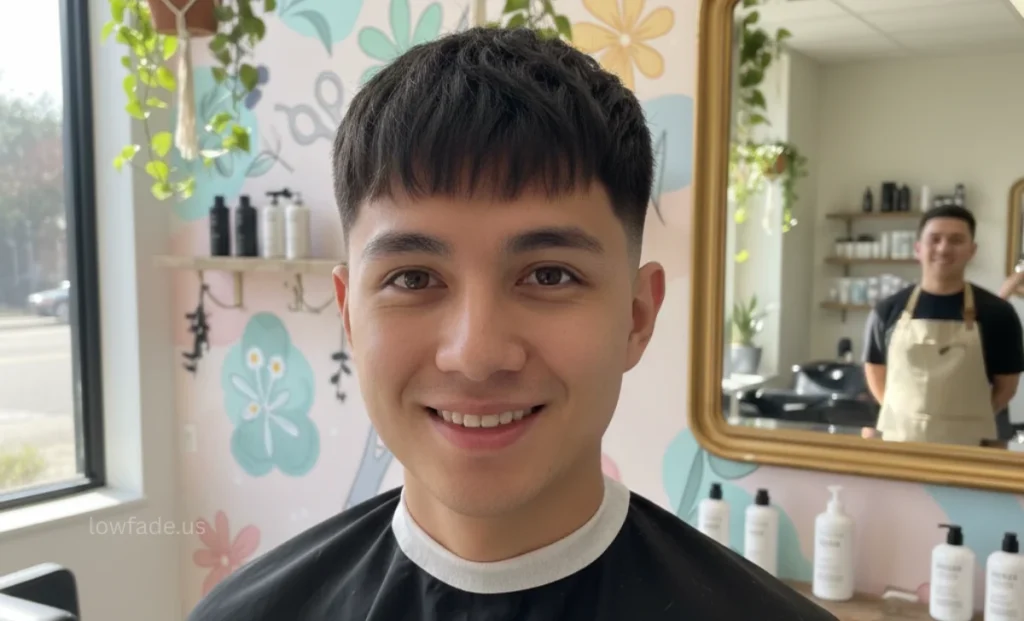
French Crop Top Low Fade
The french crop top low fade emphasizes volume and height in the crown area while maintaining that signature low fade on the sides. The low fade french crop top can be styled upward for added height when desired, or swept forward for the classic French crop silhouette. This variation offers maximum styling versatility.
French Crop Fade Low with Design Elements
The french crop fade low provides an excellent canvas for adding design elements like hard parts, line work, or geometric patterns within the fade. The clean, short sides showcase these details effectively. The french crop taper fade low can incorporate:
- Single or double hard parts
- Lightning bolt designs
- Geometric line patterns
- Fade art or logos
- Textured fade patterns
French Crop with a Low Fade Placement Guide
Understanding where a french crop with a low fade should begin is crucial for achieving the right look. The french crop x low fade notation indicates the specific placement point—approximately one finger-width above the top of the ear. This positioning:
- Creates subtle rather than dramatic contrast
- Works well for conservative environments
- Grows out more gracefully
- Suits most face shapes
- Provides easier maintenance

Hair Type Compatibility Guide
Straight Hair Variations
For men with straight hair, the french crop low fade straight hair offers exceptional versatility. Straight hair naturally falls forward, making it ideal for achieving that signature French crop fringe. The low fade french crop straight hair can be styled in multiple ways:
Sleek and Polished: Using a light pomade or cream, straight hair can be combed forward for a refined, professional appearance. This works perfectly for business environments and formal occasions.
Textured and Natural: Applying matte clay or paste to damp hair creates separation and definition without looking overly styled. This casual approach suits weekend activities and relaxed social settings.
Side-Swept Variation: While the classic French crop falls directly forward, men with straight hair can sweep the fringe to one side for a different look that still maintains the cut’s essential character.
Straight hair benefits from:
- Clean, defined lines in the fringe
- Predictable styling behavior
- Minimal frizz issues
- Easy morning routines
- Versatile product compatibility

Curly Hair Adaptations
The curly french crop low fade celebrates natural texture while maintaining structure through the fade. Men with curly hair often struggle to find cuts that work with rather than against their natural curl pattern—the french crop low fade curly hair solves this problem elegantly.
Curl Management Strategies:
- Leaving sufficient length on top (2-3 inches minimum) allows curls to form properly
- Using curl-defining cream or gel enhances natural curl patterns
- Diffusing rather than air-drying prevents frizz
- Maintaining regular trims prevents curl triangulation
- Incorporating layers reduces bulk without losing curl definition
The curly french crop low fade works particularly well because the fade removes hair from areas where curls often become unmanageable (sides and back), while the structured top section showcases beautiful curl patterns. The weight and direction of the fringe help control curls that might otherwise spring up unpredictably.

Wavy Hair Solutions
Wavy hair sits between straight and curly, offering unique opportunities for the textured french crop low fade. The natural movement in wavy hair creates instant texture without requiring heavy product application or extensive styling.
Wavy hair considerations:
- Benefits from sea salt spray for enhanced texture
- Can achieve both messy and polished looks easily
- Responds well to air-drying
- Shows dimension and depth naturally
- Works excellently for the messy french crop low fade aesthetic

Long Hair on Top
The french crop low fade long hair features extended length on top, typically 2.5-4 inches, providing maximum styling versatility. The long french crop low fade allows men to experiment with different looks using the same haircut:
- Swept forward for classic French crop styling
- Pushed back for a pompadour-inspired variation
- Styled to the side for a side-part appearance
- Tousled for casual weekend looks
- Slicked down for formal occasions
Longer length requires:
- Stronger hold products
- More styling time (10-15 minutes)
- Regular conditioning to maintain health
- Blow-drying for optimal volume
- More frequent top-section trims to prevent stringiness

Short Hair Variations
For men seeking minimal maintenance, the french crop low fade short hair keeps everything compact and manageable. The short french crop low fade typically features 0.5-1.5 inches on top, creating a style that requires virtually no daily attention.
Benefits of shorter length:
- 2-3 minute styling routine
- Works perfectly for active lifestyles
- Ideal for hot climates
- Minimal product usage
- Dries quickly after washing
- Maintains shape throughout the day
The short version works particularly well for military personnel, athletes, and men with physically demanding jobs where hair needs to stay out of the way.

Face Shape Compatibility Guide
Oval Face Shapes
Men with oval faces have the most flexibility since this balanced face shape complements virtually any haircut variation. Any version of the low fade french crop works well, but consider these optimization strategies:
- Standard textured french crop low fade for classic appeal
- Messy french crop low taper fade for casual versatility
- Experiment with fringe length without concerns about proportion
- Can handle both conservative and bold variations

Round Face Shapes
Round faces benefit most from the french crop low drop fade, which helps create the illusion of length. The curved fade line draws the eye vertically rather than horizontally, counteracting facial roundness.
Optimization strategies:
- Keep more height on top to elongate overall appearance
- Use the low drop fade french crop to create vertical lines
- Avoid excessive volume at the sides
- Consider a slightly longer fringe that draws eyes upward
- Style with slight upward lift at the crown

Square Face Shapes
Square faces feature strong jawlines and angular features. The textured french crop low fade helps soften these angles through its natural, unstructured appearance.
Best practices:
- Embrace texture to contrast with angular features
- The messy french crop low fade works exceptionally well
- Avoid overly geometric or sharp lines in the cut
- Soften the fringe edge with point-cutting
- Maintain some length to prevent emphasizing jaw width

Heart-Shaped Faces
Heart-shaped faces are wider at the forehead and narrow toward the chin. The low fade textured french crop helps balance these proportions by adding visual weight to the lower portion of the head through the fade.
Strategies for heart-shaped faces:
- Keep the top section moderately textured (not too voluminous)
- Use a low taper fade french crop for subtle side emphasis
- Avoid extreme volume that exaggerates forehead width
- Consider a slightly longer fringe to minimize forehead appearance
- The fade adds width to the lower head, creating balance
Oblong Face Shapes
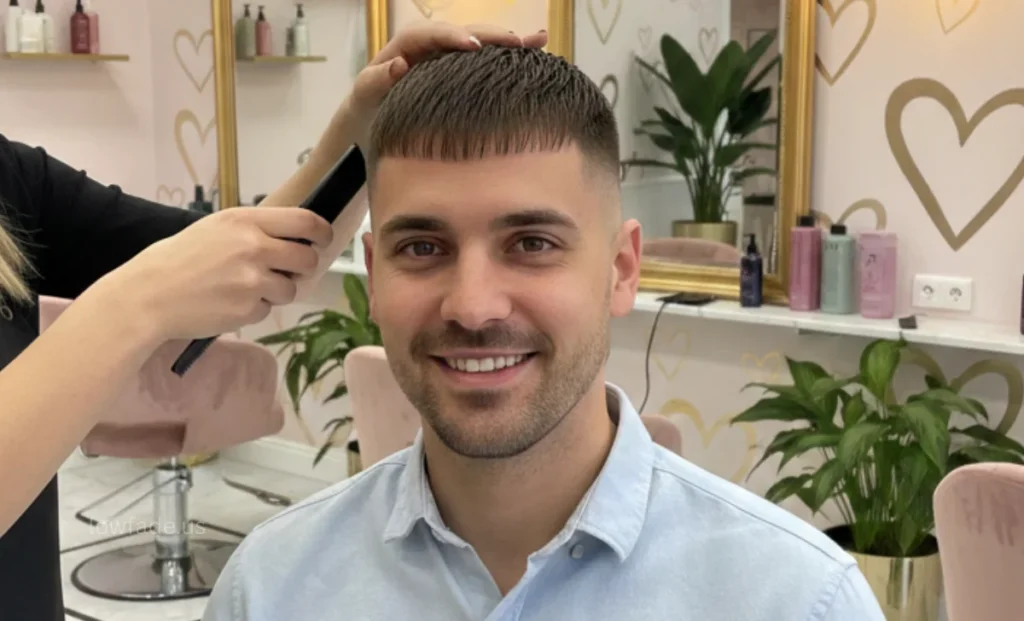
Oblong or rectangular faces are longer than they are wide. These faces should avoid added height and instead focus on horizontal volume.
Optimization approaches:
- Keep top length moderate (1-2 inches maximum)
- Use the short french crop low fade to avoid lengthening
- Add width through subtle side volume before the fade begins
- Style the fringe straight forward rather than up
- Consider the low skin fade french crop for clean sides without height
Diamond Face Shapes
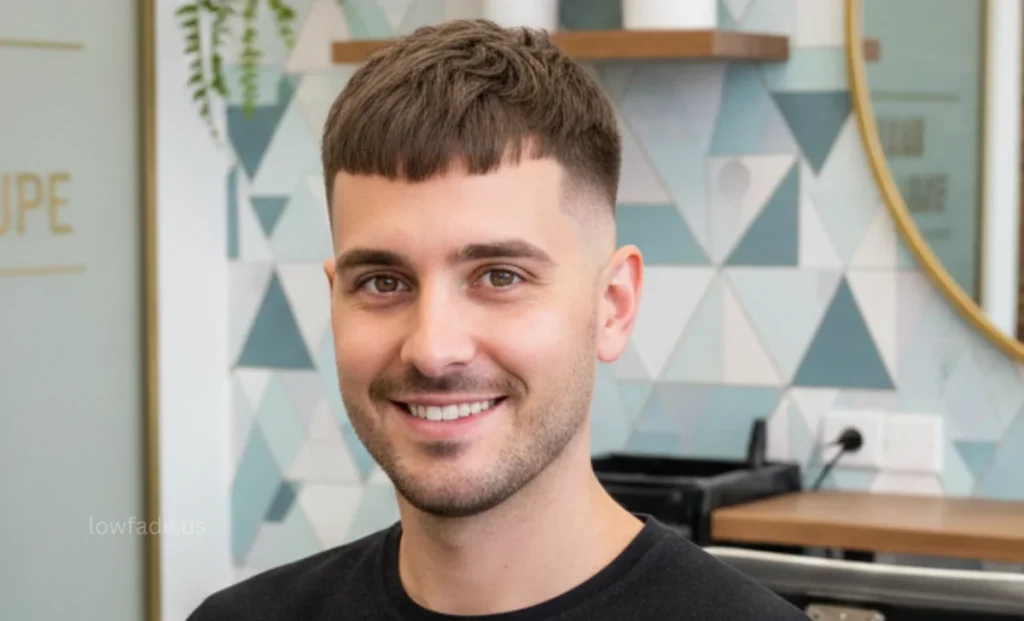
Diamond faces are widest at the cheekbones with narrow foreheads and chins. Most variations of the low taper fade french crop work well for this rare face shape.
Balancing strategies:
- Any variation works, choose based on personal preference
- The textured french crop low fade adds forehead width
- Moderate length throughout maintains proportional balance
- Avoid extreme volume or extreme minimalism
How to Ask Your Barber for the Perfect Cut
Successfully communicating your desired low fade french crop haircut requires specific terminology and clear visual references.
Essential Information to Provide
1. Fade Type and Placement
- “I want a low fade french crop that starts about one inch above my ear”
- Specify: skin fade, taper fade, or drop fade
- Indicate how gradual or sharp you want the transition
2. Top Section Length
- Provide measurements: “About 2 inches on top”
- Or use finger measurements: “Two finger-widths of length”
- Clarify if you want more length in certain areas
3. Texture and Styling
- “I want a textured french crop low fade with choppy layers”
- Specify if you prefer clean or messy styling
- Mention your daily styling routine and time constraints
4. Fringe Details
- Indicate fringe length: “Just above the eyebrows” or “mid-forehead”
- Specify fringe edge: blunt, textured, or point-cut
- Mention if you want the fringe angled or straight across
Sample Barber Consultation Scripts
Conservative Professional Version: “I’d like a low taper fade french crop with about 1.5 inches on top. I want the taper to start right above my ears and blend gradually. For the top, I prefer texture but nothing too messy—something I can style for work in about 5 minutes. The fringe should sit just above my eyebrows with a slightly textured edge.”
Bold Contemporary Version: “I’m looking for a french crop low skin fade with maximum contrast. Take the sides down to skin, starting the fade low. On top, I want 2-3 inches with heavy texturing for that messy french crop low fade look. Make the fringe choppy and textured, sitting mid-forehead.”
First-Time French Crop Client: “I’ve never had a French crop before, but I’m interested in trying a low fade french crop. I have straight/curly/wavy hair [specify your type], and I’m looking for something professional but modern. What variation would you recommend for my face shape and hair type?”
Reference Photo Strategy
Bringing visual references dramatically improves communication. Prepare 2-3 photos showing:
- Your desired low fade french crop variation from the front
- A side profile showing fade placement and height
- A back view if you want specific neckline details
When showing photos, say: “I really like the texture shown in this textured french crop low fade, but I want my fade to start slightly lower like in this second photo.”

Questions to Ask Your Barber
- “Based on my hair type and face shape, which variation of the low taper fade french crop would you recommend?”
- “How often will I need to come back to maintain the fade?”
- “What products do you recommend for styling this low fade textured french crop?”
- “Can you show me how to style it before I leave?”
- “Should I shampoo daily, or will that dry out my hair?”
Red Flags When Choosing a Barber
Not all barbers are equally skilled at executing the french crop haircut low fade. Look for these warning signs:
- Barber seems unfamiliar with the term “French crop”
- Doesn’t ask about your styling routine or preferences
- Starts cutting without discussing the plan
- Uses only clippers without scissors for the top
- Rushes through the consultation
What to Expect During the Cut
A proper low fade french crop haircut process includes:
Read More: Mid Fade vs Low Fade The $1,000 Mistake 73% of Men Make (Expert’s Brutal Truth)
Step 1: Consultation (5 minutes)
- Discussion of desired length, fade type, and styling
- Assessment of hair type, face shape, and growth patterns
Step 2: Initial Cutting (10-15 minutes)
- Cutting the top section to desired length
- Establishing the fringe line
- Creating initial texture
Step 3: Fade Execution (15-20 minutes)
- Creating the fade with multiple guard sizes
- Blending and refining transitions
- Detailing the hairline and neckline
Step 4: Refinement (5-10 minutes)
- Final texturizing of the top section
- Checking symmetry and balance
- Styling demonstration
Total time: 35-50 minutes for a quality cut
Complete Styling Tutorial
Daily Styling for Different Variations
For the Sleek Low Fade French Crop Straight Hair
Products needed:
- Light-hold pomade or styling cream
- Fine-tooth comb
- Optional: blow dryer for volume
Steps:
- Start with damp (not wet) hair after showering
- Apply a dime-sized amount of pomade, spreading evenly between palms
- Work product through hair from back to front
- Use comb to direct hair forward toward the fringe
- Shape the fringe to desired position (just above eyebrows)
- Optional: Use blow dryer on low heat to set the style
- Finish with a small amount of product on fingertips for touch-ups
Time required: 5-7 minutes
For the Messy French Crop Low Fade
Products needed:
- Matte clay or fiber paste
- Sea salt spray (optional for extra texture)
- No tools required
Steps:
- Start with damp hair (towel-dried)
- Optional: Apply sea salt spray for enhanced texture
- Scoop a small amount of clay (pea-sized) and warm between palms
- Run fingers through hair in multiple directions
- Scrunch and tousle hair to create separation
- Push hair generally forward but avoid perfect alignment
- Use fingertips to create defined pieces throughout
- Resist the urge to over-style—messy should look effortless
Time required: 3-5 minutes
For the Curly French Crop Low Fade
Products needed:
- Curl-defining cream or gel
- Leave-in conditioner
- Microfiber towel or t-shirt (never regular towel)
- Diffuser attachment for blow dryer
Steps:
- After washing, gently squeeze excess water with microfiber towel
- Apply leave-in conditioner while hair is very wet
- Add curl-defining product using “scrunching” motion
- DO NOT comb or brush—this breaks up curl patterns
- Either air-dry for natural curls or use diffuser on low heat
- When 80% dry, scrunch out any “crunch” from gel
- Lightly shape curls with fingers if needed
- Avoid touching throughout the day to prevent frizz
Time required: 10-15 minutes (mostly drying time)
For the Textured French Crop Low Fade
Products needed:
- Texturizing powder or dry shampoo
- Matte clay
- Comb for initial direction
Steps:
- Start with completely dry hair
- Sprinkle small amount of texturizing powder at roots
- Massage powder into scalp for volume
- Apply small amount of matte clay to mid-lengths and ends
- Use comb to establish general direction (forward)
- Use fingers to create texture and separation
- Pinch and twist small sections for defined pieces
- Avoid flattening the crown area—maintain lift
Time required: 7-10 minutes
Product Recommendations by Goal
For Maximum Hold:
- American Crew Fiber (matte finish, strong hold)
- Uppercut Deluxe Matte Clay (Australian formula, all-day hold)
- Layrite Cement Clay (extreme hold, needs more product)
For Natural Finish:
- Hanz de Fuko Quicksand (best for fine hair)
- Baxter of California Clay Pomade (medium hold, workable)
- Aveda Men Pure-Formance Grooming Clay (natural ingredients)
For Curly Hair:
- DevaCurl SuperCream (defines without crunch)
- Ouidad Advanced Climate Control Heat & Humidity Gel (frizz control)
- Cantu Shea Butter Coconut Curling Cream (budget-friendly)
For Textured Styles:
- By Vilain Gold Digger (grippy texture, matte)
- Arcadian Matte Paste (easy application, natural look)
- Lockhart’s Matte Clay (strong hold, easy restyling)
For Sea Salt Texture:
- Bumble and bumble Surf Spray (original formula)
- Captain Blankenship Mermaid Sea Salt Hair Spray (organic)
- Not Your Mother’s Beach Babe Texturizing Spray (affordable)
For Volume Boosting:
- Big Sexy Hair Powder Play Volumizing Powder
- Oribe Dry Texturizing Spray
- Schwarzkopf Osis+ Dust It Mattifying Powder
Application Mistakes to Avoid
❌ Applying product to wet hair (except curl products)
- Water dilutes product effectiveness
- Creates uneven distribution
- Reduces hold significantly
- Makes hair look greasy faster
✅ Apply to damp or dry hair depending on product type
❌ Using too much product
- Creates greasy, heavy appearance
- Hair loses natural movement
- Harder to restyle throughout day
- Leads to buildup over time
✅ Start with less than you think you need—you can always add more
❌ Applying product only to the top surface
- Creates uneven texture
- Reduces overall hold
- Makes hair look one-dimensional
- Leaves interior hair unstyled
✅ Work product from roots through to ends, ensuring even distribution
❌ Over-combing styled hair
- Removes intentional texture
- Makes hair look flat and lifeless
- Distributes too much product to ends
- Creates old-fashioned appearance
✅ Use comb for initial direction only, then use fingers for texture
Maintenance Schedule and Tips
Optimal Haircut Frequency
For the Fade:
- Week 1-2: Fade looks sharp and fresh
- Week 3: Fade begins losing definition but still acceptable
- Week 4: Fade has grown out significantly, starting to look shaggy
- Recommendation: Schedule fade maintenance every 2-3 weeks
For the Top Section:
- Weeks 1-4: Top maintains shape and style
- Weeks 5-6: Length may extend past ideal but can still be styled
- Weeks 7-8: Starts looking overgrown for most styles
- Recommendation: Trim top every 4-6 weeks
Money-Saving Strategies
Many barbershops offer “fade-only” services at 40-60% the cost of a full haircut. By getting fade touch-ups every 2-3 weeks and only cutting the top every 6 weeks, men can maintain the low fade with french crop while reducing annual haircut costs.
Example Cost Breakdown:
| Service Type | Frequency | Cost Per Visit | Annual Total |
| Full Haircut Only | Every 4 weeks | $35 | $455 |
| Fade Touch-ups + Full Cuts | 3 touch-ups ($15) + 1 full cut ($35) per month | Varies | $600 |
| Optimized Schedule | Touch-up every 3 weeks, full cut every 6 weeks | Mixed | $390 |
The optimized schedule provides the best appearance-to-cost ratio.
Between-Haircut Maintenance
Daily Care:
- Shampoo every 2-3 days (not daily unless very oily)
- Condition after every shampoo
- Use quality products appropriate for your hair type
- Avoid excessive heat styling
Weekly Care:
- Deep conditioning treatment for longer styles
- Scalp massage to promote healthy growth
- Check for split ends or damage
- Trim any flyaway hairs around the neckline
At-Home Maintenance Tools:
- Cordless trimmer for neckline cleanup
- Small scissors for stray hairs
- Quality shampoo and conditioner
- Hair-specific vitamins (biotin, keratin)
Seasonal Adjustments
Summer:
- Consider going shorter for heat management
- Use lighter products that won’t melt in heat
- Increase washing frequency due to sweat
- Apply UV protection products
- The short french crop low fade works perfectly for hot weather
Winter:
- Can grow top section longer without discomfort
- Use heavier conditioning products
- Reduce washing frequency (dry air already dehydrates)
- Watch for static buildup
- The long french crop low fade provides more styling options
Fall/Spring:
- Standard maintenance schedule works well
- Moderate product weights appropriate
- Good time to try new variations
- Comfortable growing out or cutting shorter
Cost Breakdown by Location and Quality
Average Pricing Guide
| Location Type | Price Range | Typical Duration | Includes |
| High-End Urban Salon | $55-$95 | 45-60 minutes | Consultation, cut, style, hot towel, sometimes beverage |
| Premium Barbershop | $40-$65 | 35-50 minutes | Consultation, precision cutting, styling tutorial |
| Standard Barbershop | $25-$40 | 25-35 minutes | Basic consultation, cut, quick style |
| Budget Chain (Supercuts, Great Clips) | $18-$28 | 15-25 minutes | Basic cut, limited consultation |
| Cosmetology School | $10-$15 | 60-90 minutes | Student cut with instructor supervision |
Geographic Variations
Major Metropolitan Areas (NYC, LA, SF, Chicago):
- High-end: $75-$125
- Mid-range: $45-$75
- Budget: $25-$40
Mid-Size Cities:
- High-end: $50-$80
- Mid-range: $30-$50
- Budget: $20-$30
Suburban/Rural Areas:
- High-end: $40-$60
- Mid-range: $25-$40
- Budget: $15-$25
Value Assessment
The most expensive option isn’t always the best choice for a low fade french crop haircut. Consider these factors:
When Premium Pricing is Worth It:
- First time getting this specific cut
- Complex hair type (very curly, thick, or problematic)
- Want detailed styling education
- Seeking a consistent barber relationship
- Need precise fade work for important events
When Mid-Range is Optimal:
- Familiar with the cut and your preferences
- Normal hair type and texture
- Confident in basic styling
- Regular maintenance cuts
- Good local barber reputation
When Budget Options Work:
- Simple, straightforward version
- Maintenance fade touch-ups
- Already know exactly what you want
- Low risk tolerance for the haircut
- Between regular appointments
Hidden Costs to Consider
Beyond the haircut itself, maintaining a low taper fade french crop involves:
Products (Monthly):
- Styling product: $8-$25 per container (lasts 2-3 months)
- Shampoo/Conditioner: $15-$30 (lasts 1-2 months)
- Optional products: $10-$40
- Average monthly product cost: $15-$30
Tools (One-Time):
- Quality comb: $5-$15
- Home trimmer for touch-ups: $30-$80
- Blow dryer (if needed): $25-$150
- Total initial tool investment: $60-$245
Annual Total Cost Estimate:
- Haircuts: $300-$600
- Products: $180-$360
- Tools (amortized over 3 years): $20-$82
- Total annual investment: $500-$1,042
While this may seem significant, it’s actually moderate compared to many other men’s hairstyles that require expensive products, frequent salon visits, or specialized treatments.
Celebrity Inspirations and Style Icons
Modern Celebrity Examples
While specific current celebrity examples would require recent verification, the modern low fade french crop has been popular among actors, athletes, and musicians who need versatile, camera-ready styles that work for both casual and formal settings.
What Makes Celebrity Versions Different
Professional celebrity hairstylists often customize the textured french crop low fade with:
- Precision cutting that considers camera angles
- Custom color treatments for dimension
- Regular maintenance (often multiple times per week)
- Professional styling for each appearance
- Access to premium products and tools
Translating Celebrity Styles for Regular Life
When inspired by a celebrity’s low fade french crop, consider these adjustments:
- Their hair is professionally styled daily (yours won’t be)
- Lighting and camera angles enhance their cut
- They likely have custom color work
- Budget for professional recreation is higher
- Maintenance schedule is more frequent
Realistic expectations help achieve satisfaction with your own french crop low taper fade without unrealistic comparisons.
Common Mistakes to Avoid
Mistake #1: Choosing the Wrong Fade Height
The Problem: Some men request a low fade when they actually want a mid or high fade, or vice versa. The low fade french crop has a specific aesthetic that changes dramatically with fade placement.
The Solution: Understand that “low” means the fade starts approximately one inch above the ear. If you want more contrast or skin showing higher up, you need a mid or high fade, not a low taper fade french crop. Bring reference photos to ensure clear communication.
Mistake #2: Neglecting Hair Type Consultation
The Problem: Requesting a style that doesn’t suit your natural hair texture leads to daily styling frustration and disappointing results.
The Solution: Be honest with your barber about your hair type. If you have very curly hair, the sleek low fade french crop straight hair look will require significant daily straightening. Instead, embrace the curly french crop low fade that works with your texture.
Mistake #3: Over-Styling with Too Much Product
The Problem: Using excessive product makes the textured french crop low fade look greasy, heavy, and unnatural. Hair loses movement and appears dated.
The Solution: Start with a pea-sized amount of product for the entire top section. You can always add more, but removing excess is difficult. The goal is enhanced texture, not obvious product presence.
Mistake #4: Inconsistent Maintenance
The Problem: Letting the fade grow out for 6-8 weeks defeats the purpose of having a low fade with french crop. The style loses its definition and begins looking unkempt.
The Solution: Commit to the maintenance schedule (fade touch-ups every 2-3 weeks) or choose a different haircut that doesn’t require regular upkeep. The low skin fade french crop especially requires consistent maintenance.
Mistake #5: Wrong Product Type for Your Hair
The Problem: Using shine pomades on fine hair makes it look greasy. Using light products on thick, coarse hair provides insufficient hold.
The Solution: Match product type to hair characteristics:
- Fine/thin hair: Light clays, powders
- Thick/coarse hair: Strong-hold creams, heavy clays
- Curly hair: Curl-specific creams and gels
- Straight hair: Medium-hold pastes and clays
Mistake #6: Ignoring Face Shape Compatibility
The Problem: Requesting a specific variation without considering how it complements your facial structure leads to unflattering results.
The Solution: Trust your barber’s recommendations about which low drop fade french crop or other variation suits your face shape. The french crop low drop fade works better for round faces, while square faces benefit from the messy french crop low fade texture.
Mistake #7: Unrealistic Styling Expectations
The Problem: Expecting your french crop haircut low fade to look exactly like styled photos without putting in equivalent effort.
The Solution: Understand that professional photos show professionally styled hair. Your daily version will look slightly different—and that’s okay. Focus on achieving a realistic, wearable version rather than perfection.
Frequently Asked Questions
What is a low fade french crop?
A low fade french crop is a men’s haircut featuring short, textured hair on top with a horizontal fringe, combined with a fade that starts just above the ears and gradually tapers down the sides and back. The style offers professional sophistication with minimal maintenance requirements.
How often should I get a low fade french crop trimmed?
For optimal appearance, schedule fade maintenance every 2-3 weeks and trim the top section every 4-6 weeks. However, the low taper fade french crop can grow out more gracefully than skin fades, potentially extending time between cuts.
What’s the difference between a low fade and mid fade on a French crop?
A low fade starts approximately one inch above the ear, creating subtle contrast. A mid fade begins around the temple area, creating more dramatic contrast between the top and sides. The low fade french crop offers a more conservative, workplace-appropriate appearance.
Can I style a french crop low fade without products?
While possible, styling products significantly enhance the appearance of a textured french crop low fade. At minimum, use a small amount of matte clay or cream to add texture and prevent the “just woke up” look. The messy french crop low taper fade actually requires product to achieve that controlled disheveled appearance.
How much does a low fade french crop cost?
Pricing varies significantly by location and salon quality. Expect to pay $18-$28 at budget chains, $25-$40 at standard barbershops, $40-$65 at premium barbershops, and $55-$95 at high-end urban salons. The french crop low fade haircut typically takes 35-50 minutes for quality execution.
Is the french crop low fade suitable for thin hair?
Yes, the low fade textured french crop works excellently for thin hair. The texturing technique creates the illusion of fuller hair, while the fade removes bulk from areas where thin hair often looks sparse. Use volumizing powder at roots for additional lift.
Can I get a french crop low fade with a beard?
Absolutely. The french crop low fade with beard creates a cohesive, masculine aesthetic. Ensure the fade transitions smoothly into your beard area, and maintain both the haircut and beard regularly for the best appearance.
What’s the best product for styling a low fade french crop?
Product choice depends on your desired finish. For matte texture, use clay or fiber paste. For slight shine, try light pomade. For natural movement, apply sea salt spray. The messy french crop low fade works best with matte clay, while the low fade french crop straight hair can use pomade for sleekness.
How do I maintain my french crop low fade between haircuts?
Shampoo every 2-3 days, condition regularly, use quality styling products, and avoid excessive heat styling. For the fade, clean up the neckline at home with a cordless trimmer every 7-10 days. The low skin fade french crop requires more frequent maintenance than tapered versions.
Does the low fade french crop work for curly hair?
Yes, the curly french crop low fade celebrates natural texture. Leave sufficient length on top (2-3+ inches) for curls to form properly, use curl-defining products, and work with a barber experienced in cutting curly hair. The fade removes bulk from sides where curls become unmanageable.
What’s the difference between a drop fade and regular low fade on a French crop?
A regular low fade french crop maintains consistent height around the head. A french crop low drop fade curves downward behind the ears, creating a distinctive arc shape that helps elongate round face shapes and adds visual interest.
Can I do a french crop low fade at home?
While possible with experience and proper tools, the precision required for quality low fade french crop execution makes professional cutting recommended. The fade blending especially requires skill that takes years to develop. Home maintenance of the neckline is feasible, but the initial cut and periodic full refreshes should be professional.
Is the french crop low fade professional enough for corporate jobs?
Yes, the low taper fade french crop is highly workplace-appropriate. The clean fade provides modern style while the short length maintains professional standards. Many corporate professionals prefer this cut over traditional conservative styles because it offers personality without pushing boundaries.
What face shapes work best with this haircut?
The low fade french crop works with all face shapes when properly customized. Oval faces have maximum flexibility. Round faces benefit from the french crop low drop fade. Square faces suit the messy french crop low fade texture. Heart-shaped faces work well with the low fade textured french crop.
How long does styling take each morning?
Styling time varies by complexity. The short french crop low fade requires 2-5 minutes. Standard textured french crop low fade takes 5-10 minutes. The long french crop low fade may need 10-15 minutes. The curly french crop low fade requires 10-15 minutes including proper drying technique.
Variations for Different Ethnicities and Hair Characteristics
Asian Hair Considerations
The french crop low fade asian style accounts for the typically straight, thick texture of Asian hair. This hair type holds shape exceptionally well and provides excellent volume naturally. Consider these optimization strategies:
Advantages of Asian hair for this cut:
- Natural thickness creates impressive texture
- Holds style throughout the day with minimal product
- Straight texture achieves clean lines easily
- Less prone to frizz and humidity issues
Styling recommendations:
- Use lighter products (heavy products weigh down already-thick hair)
- Consider slightly longer length on top (2-3 inches) for styling versatility
- The low fade french crop asian variation often features more defined fringe lines
- Embrace natural volume rather than fighting it
Latin American Variations
The corte french crop low fade (Spanish for “cut”) has gained significant popularity in Latin American communities. Barbers often add cultural flair through unique texturing and fade patterns.
Common variations include:
- More aggressive texturing throughout the top
- The french crop texturizado low fade emphasizes heavy layering
- Often incorporates design elements like hard parts or line work
- Tends toward the low skin fade french crop for maximum contrast
- Frequently paired with well-groomed beards
African and Afro-Textured Hair
While less common, the French crop can be adapted for Afro-textured hair with proper techniques:
Adaptation strategies:
- Requires significantly more length on top (3-4+ inches minimum)
- Focus on shape and silhouette rather than traditional fringe
- The fade showcases hair texture beautifully
- Often incorporates natural hair products for curl definition
- May need specialized barber with textured hair expertise
The Psychology of the Low Fade French Crop
Why Men Choose This Haircut
Confidence Boost: A well-executed modern low fade french crop provides instant confidence. The clean, structured appearance conveys attention to detail and self-care.
Professional Identity: The low taper fade french crop strikes the perfect balance between creative expression and professional appropriateness. Men can express personality without risking workplace judgment.
Low-Maintenance Appeal: Modern men increasingly value efficiency. The french crop with low fade delivers style without demanding significant daily time investment.
Trend Participation: Having a contemporary haircut helps men feel connected to current culture and style movements without adopting extreme or quickly-dated trends.
Social Perception Studies
Research on men’s hairstyles indicates that structured cuts with clean fades are perceived as:
- More trustworthy in professional settings
- Suggesting higher attention to personal care
- Indicating confidence and self-awareness
- Balancing traditional and modern values
The french crop low fade specifically rates highly for perceived professionalism while maintaining approachability—a rare combination that makes it valuable across social contexts.
Advanced Styling Techniques
Creating Volume in Fine Hair
For men with fine or thin hair wanting a fuller-looking textured french crop low fade:
Technique 1: Root Lifting
- Apply volumizing mousse to damp hair
- Blow dry while lifting hair away from scalp with fingers
- Focus airflow at roots, not ends
- Cool shot of air to set volume
- Apply styling product only to mid-lengths and ends (not roots)
Technique 2: Powder Application
- Style hair as normal with clay or paste
- Sprinkle volumizing powder directly onto roots
- Massage into scalp thoroughly
- Observe immediate lift and texture
- Finish by shaping with fingertips
Technique 3: Strategic Blow-Drying
- Dry hair in opposite direction from final style
- Once 80% dry, redirect into final position
- This creates natural lift and body
- Apply product to nearly-dry hair
- Finish styling with hands only
Dealing with Cowlicks and Growth Patterns
Cowlicks can frustrate efforts to achieve the perfect low fade french crop. Work with them rather than against them:
For Crown Cowlicks:
- Ask your barber to cut shorter in the cowlick area
- Style hair in the direction the cowlick naturally falls
- Use stronger-hold products in problem areas
- Consider the messy french crop low fade that embraces natural direction
For Frontal Hairline Cowlicks:
- Embrace asymmetry rather than fighting it
- Style fringe slightly to one side instead of straight forward
- Use blow-dryer to train hair while damp
- Apply product while hair is still warm from dryer
For Multiple Growth Patterns:
- Choose the textured french crop low fade that celebrates irregular direction
- Avoid sleek, combed styles that highlight irregularities
- Work with an experienced barber who understands growth patterns
- Consider slightly longer length that weighs down problematic areas
Seasonal Styling Variations
Summer Optimization
The short french crop low fade becomes especially practical during hot months:
Heat Management:
- Consider going 0.5-1 inch shorter on top
- Increase fade maintenance frequency (every 1.5-2 weeks)
- Switch to lighter, water-based products
- Use leave-in conditioner with UV protection
- Embrace air-drying over blow-drying
Product Adjustments:
- Avoid heavy creams that melt in heat
- Use matte clays that won’t look greasy when sweating
- Consider sea salt spray for beach-ready texture
- Apply products sparingly in humid conditions
Winter Considerations
The long french crop low fade provides more options during cold months:
Cold Weather Benefits:
- Extra length provides minimal additional warmth
- Can grow out top section for more coverage
- Less frequent washing (2-3 times per week) due to less sweating
- Opportunity to try longer styling variations
Winter Challenges:
- Static electricity from hats and dry air
- Solution: Use leave-in conditioner and anti-static products
- Hat hair when removing beanies
- Solution: Keep small amount of product in pocket for quick fixes
- Dry scalp from indoor heating
- Solution: Weekly scalp treatments and hydrating shampoos
Transitioning to a Low Fade French Crop
From Long Hair
Moving from long hair to a low fade french crop represents a significant change:
Preparation Steps:
- Save reference photos showing desired result
- Consider gradual transition (first cut to medium length)
- Schedule extra time for first appointment (60+ minutes)
- Discuss maintenance requirements honestly
- Purchase necessary products before the cut
Psychological Preparation:
- Expect adjustment period of 1-2 weeks
- Initial styling may feel awkward until technique improves
- Friends and family may need time to adjust to new appearance
- Confidence typically increases after adjustment period
From Other Short Cuts
Transitioning from buzz cuts, crew cuts, or similar short styles to the textured french crop low fade is relatively simple:
Growing Out Strategy:
- Let top section grow to 1.5-2 inches (4-6 weeks)
- Maintain sides short during growth period
- Once adequate length achieved, request the full cut
- Texturizing transforms basic short hair into stylish French crop
From Traditional Business Cuts
Moving from conservative side parts or slicked-back styles to a low taper fade french crop:
Conservative Transition Approach:
- Start with the low taper fade french crop (most conservative option)
- Request minimal texturing initially
- Add more texture in subsequent cuts if comfortable
- Gradually transition styling products from pomade to clay
- Slowly adopt more relaxed styling techniques
This gradual approach minimizes shock for both the person getting the cut and their professional environment.
The Future of the French Crop Low Fade
Current Trends for 2025
The modern low fade french crop continues evolving with these contemporary variations:
Textured Minimalism: Emphasis on natural texture with minimal product, reflecting broader cultural shift toward authenticity and effortlessness.
Sustainable Barbering: Growing interest in eco-friendly products, water-conservation cutting techniques, and ethical salon practices.
Personalization: Custom modifications based on individual face shape, hair type, and lifestyle rather than one-size-fits-all approaches.
Technology Integration: Digital consultations, AI-powered style recommendations, and virtual try-on tools becoming more common.
Why This Style Endures
Unlike trendy haircuts that peak and disappear, the low fade french crop has shown remarkable staying power because:
- Versatility: Works across age groups, professions, and contexts
- Adaptability: Can be customized infinitely for individual needs
- Balance: Combines classic and modern elements successfully
- Practicality: Delivers style without excessive maintenance
- Universality: Suits various hair types and face shapes
These fundamental advantages suggest the french crop low taper fade will remain relevant for years to come, even as specific styling trends within the cut evolve.
Conclusion
The low fade french crop isn’t just another haircut—it’s your secret weapon for looking sharp without the hassle. This modern classic adapts beautifully whether you’ve got poker-straight strands, loose waves, or tight curls. Want something edgy? Go for the skin fade variation. Prefer understated? The low taper’s your match. The real magic? It grows out gracefully, works in any setting, and takes minutes to style each morning. That’s why guys everywhere keep coming back.
Read More: 40+ Jaw-Dropping Low Skin Fade Styles That’ll Make You Screenshot This Instantly also get a perfect and heart touching with eye catching beard with this Beard Calculator.