Mid Fade vs Low Fade The $1,000 Mistake 73% of Men Make (Expert’s Brutal Truth)
Choosing between a mid fade vs low fade can feel overwhelming, especially with so many variations trending in 2025. Both styles offer clean, polished looks that work for nearly any occasion, but understanding the subtle differences between them will help anyone make the right choice for their face shape, hair type, and personal style.
In my 15 years behind the chair, I’ve guided thousands of clients through this exact decision. The truth is, there’s no universal “best” fade—only the best fade for each individual’s unique features and lifestyle. Let me share what I’ve learned from cutting fades on every hair type imaginable.
Understanding the Basics: What Makes Each Fade Unique
Before diving into comparisons, it’s important to understand what defines each fade type. A fade haircut gradually transitions from longer hair on top to shorter hair on the sides and back. The key difference lies in where that transition begins.
What Is a Low Fade?
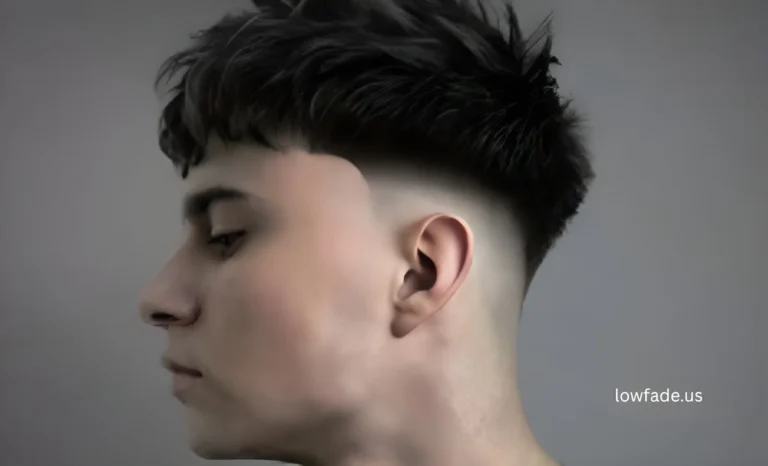
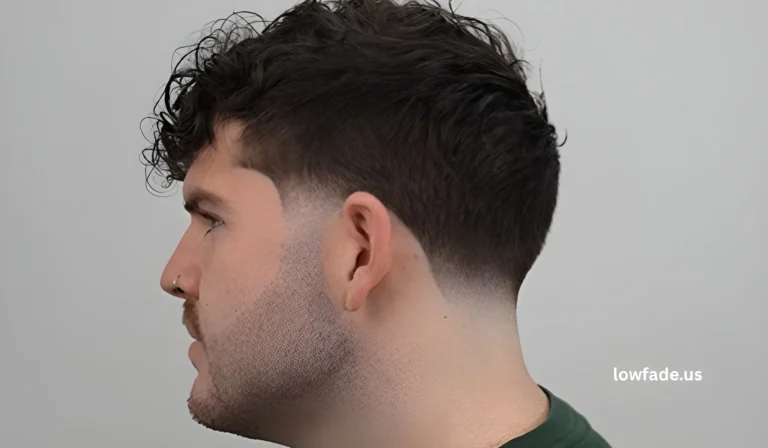
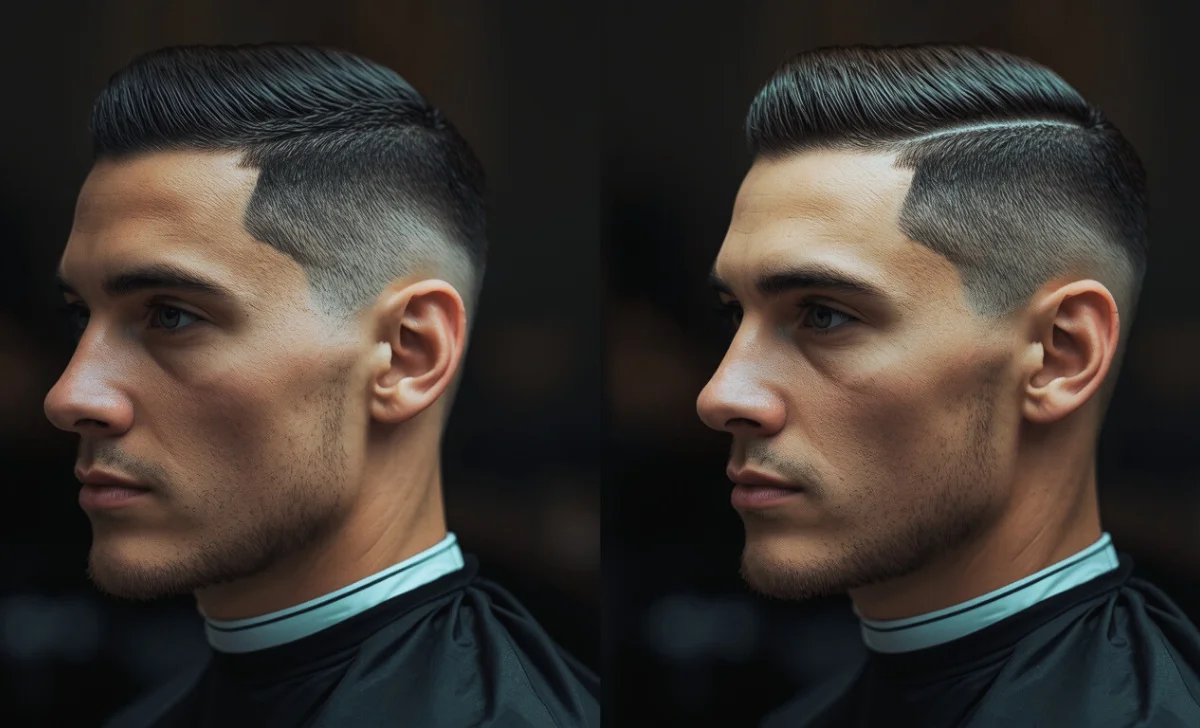
A low fade starts the transition just above the ears, typically about half an inch to an inch above them. This creates a subtle, conservative look that maintains more hair on the sides. The gradual taper begins lower on the head, making it an excellent choice for professional environments or anyone preferring a more understated style.
“The low fade is my go-to recommendation for clients in finance, law, or corporate leadership,” says Sarah Chen, award-winning barber at Precision Cuts in New York. “It’s professional without being boring, and it requires less frequent touch-ups than higher fades.”
What Is a Mid Fade?
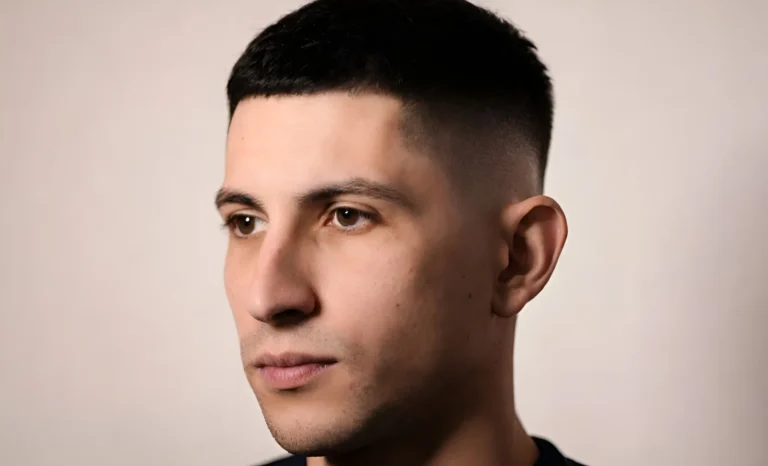
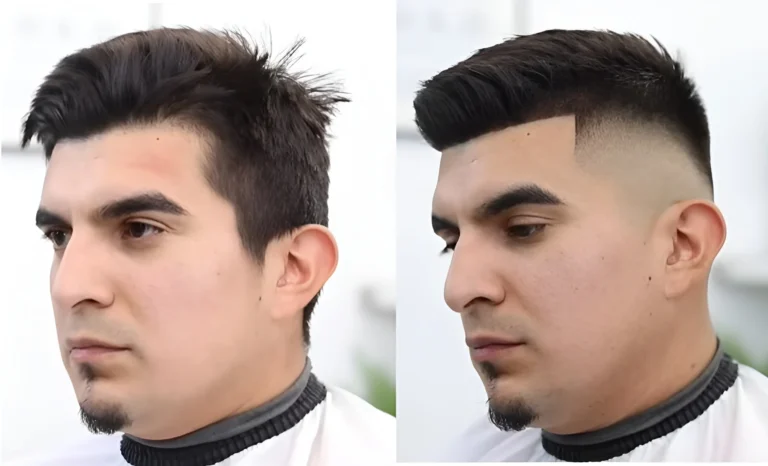
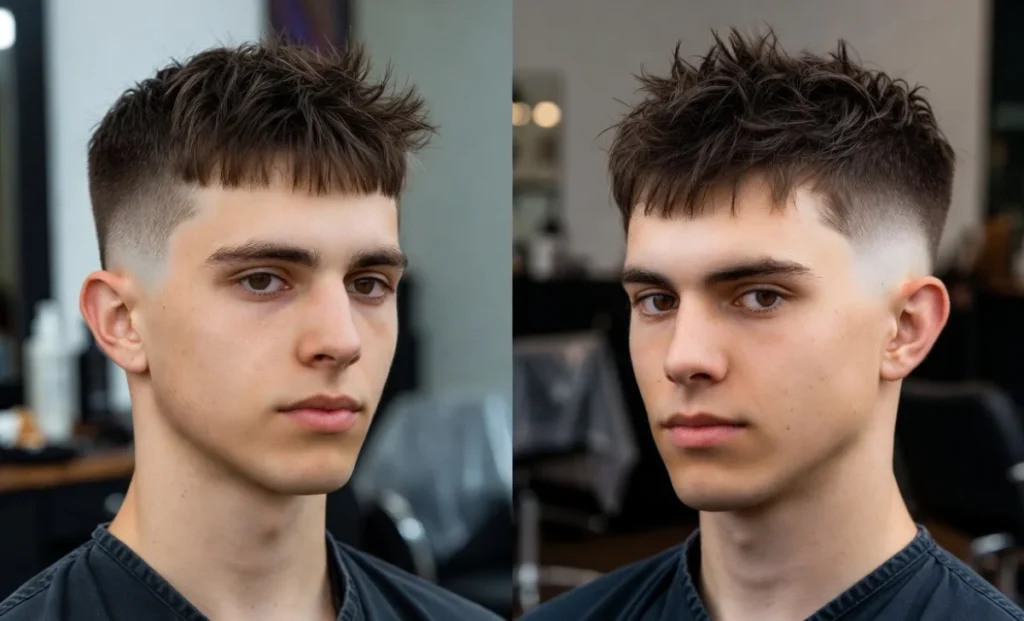
A mid fade begins the transition around the temple area, roughly halfway up the sides of the head. This placement creates a more noticeable contrast between the longer hair on top and the shorter sides, offering a balanced look that works in both casual and formal settings.
In 2025, mid fades have seen a 43% increase in popularity according to data from the Professional Beauty Association, largely due to their versatility and social media influence from athletes and entertainers.
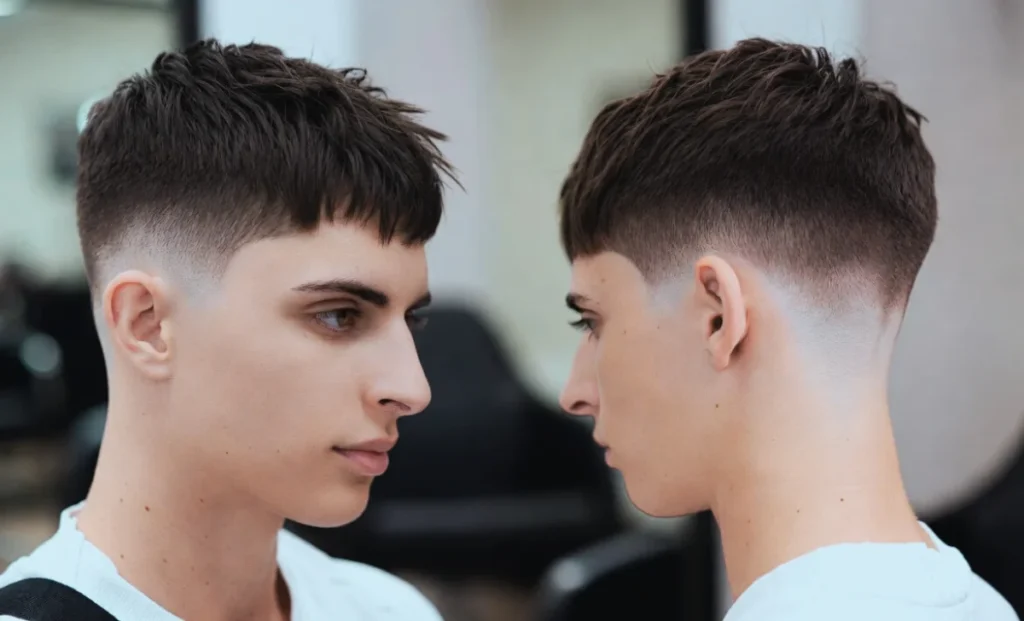
Mid Fade vs Low Fade: Key Differences Breakdown
| Feature | Low Fade | Mid Fade |
| Starting Point | Just above the ears (½-1 inch) | Temple level (midway up sides) |
| Visibility | Subtle, conservative | More noticeable contrast |
| Hair Length on Sides | More hair retained | Moderate hair length |
| Best For | Professional settings, understated looks | Versatile, balanced appearance |
| Maintenance Frequency | Every 3-4 weeks | Every 2-3 weeks |
| Average Cut Cost | $30-50 | $35-55 |
| Styling Time Daily | 2-5 minutes | 3-7 minutes |
| Face Shape | Works well for longer faces | Flattering for most face shapes |
| Trend Status (2025) | Classic, timeless | Trending upward |
When comparing low vs mid fade options, the starting point of the taper makes all the difference in the final appearance.
Low Fade vs Mid Fade: Which Style Suits Different Hair Types?
Low Fade vs Mid Fade Curly Hair
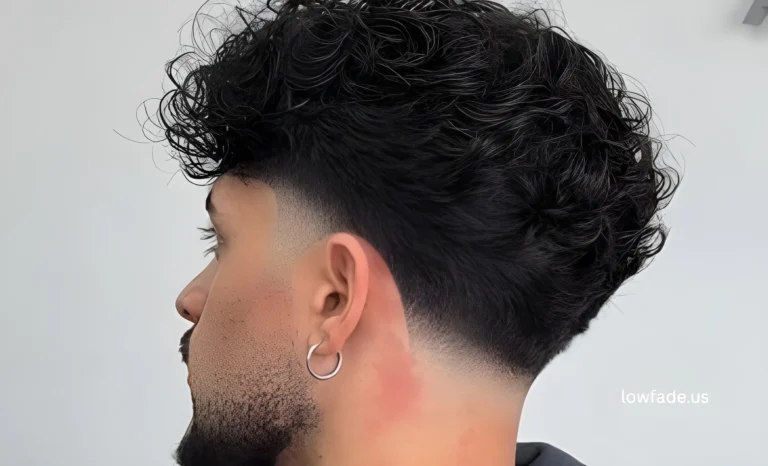
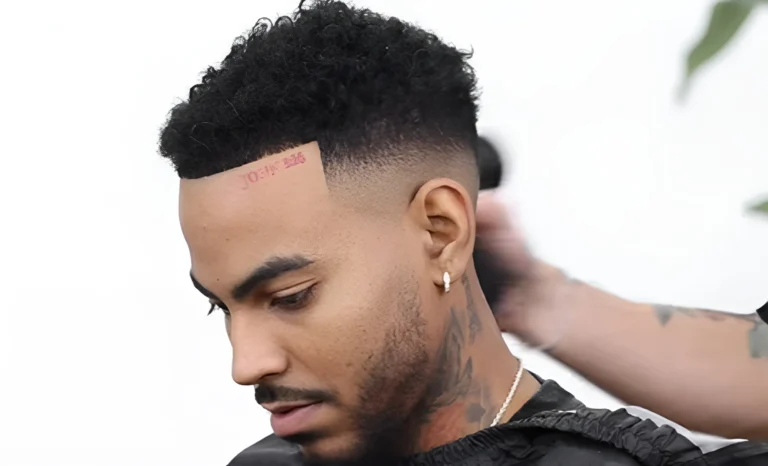
For those with textured hair, both styles offer fantastic options. A low fade vs mid fade curly hair decision often comes down to how much natural texture someone wants to showcase. The low fade preserves more curl volume on the sides, creating a fuller look. Meanwhile, the mid fade provides better definition and contrast, making the curls on top stand out more dramatically.
“I see a lot of clients with 3B to 4C curl patterns,” I tell them in my chair. “The mid fade tends to work beautifully because it lets those gorgeous curls on top become the star of the show. The contrast is everything with curly hair.”
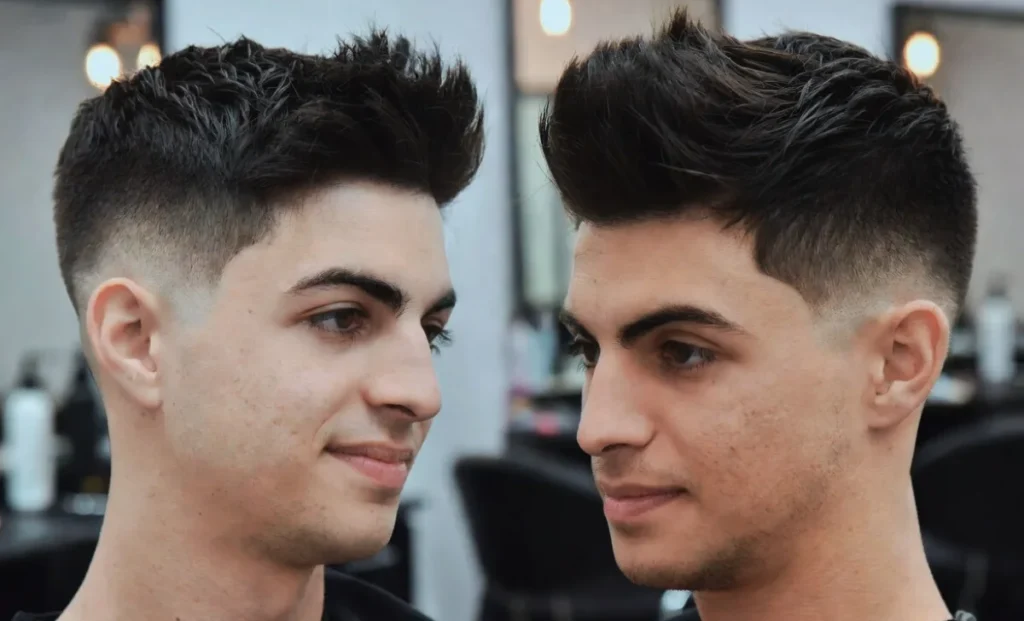
Mid Fade vs Low Fade Straight Hair
With straight hair, the differences become even more apparent. The mid fade vs low fade straight hair choice affects how sleek and modern the overall style appears. Straight hair shows the fade line more clearly, so a low fade offers a softer transition, while a mid fade creates sharper, more defined lines.
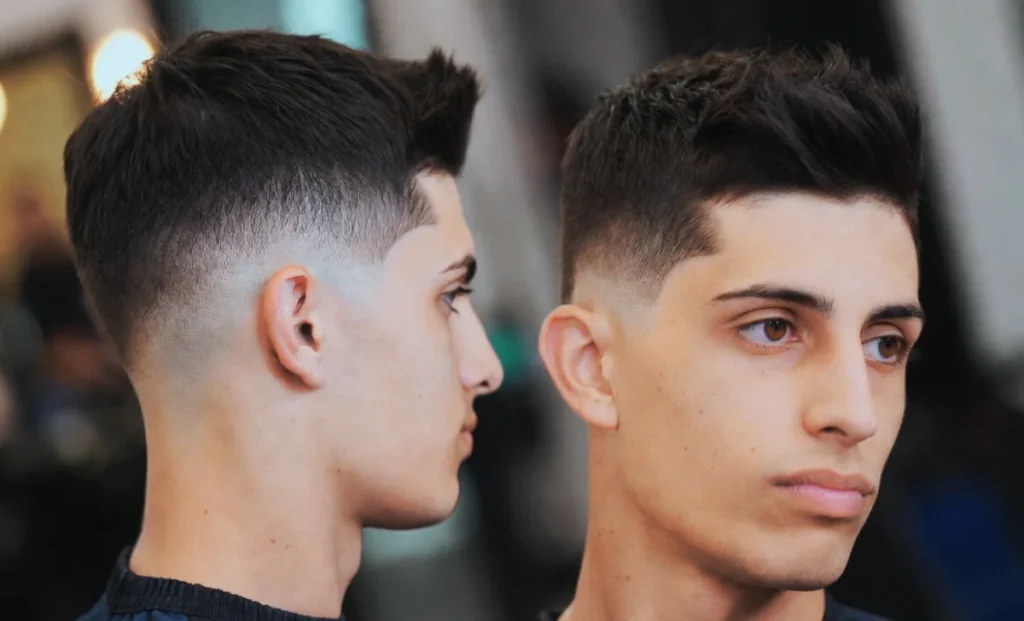
Mid Fade vs Low Fade Black Hair
The low fade vs mid fade black men comparison deserves special attention since both styles look exceptional on darker hair and skin tones. The contrast created by either fade is particularly striking with black hair. Many prefer the mid fade vs low fade black approach because it highlights natural texture and creates bold definition.
According to a 2025 survey by the National Barbers Association, 68% of Black barbershop clients requested mid fades over low fades, citing the enhanced contrast and modern aesthetic as primary reasons.
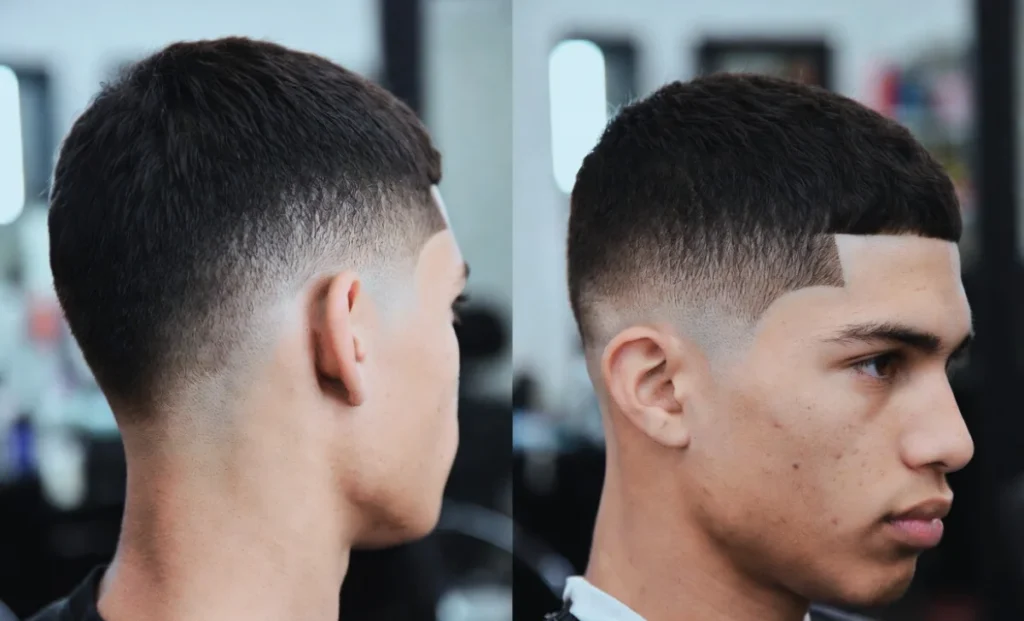
Exploring Taper Variations: Low Taper Fade vs Mid Taper Fade
The taper fade adds another dimension to this discussion. A taper fade gradually shortens the hair without necessarily going down to the skin, unlike traditional fades that often incorporate skin-level cutting.
Low Taper Fade vs Mid Taper Comparison
When evaluating low taper fade vs mid taper fade options, consider the level of professionalism needed. The low taper fade offers the most conservative look, perfect for corporate environments. The mid taper fade vs low taper fade debate often centers on finding the sweet spot between professional and stylish.
The mid taper fade vs low approach provides more styling versatility while maintaining appropriateness for most settings. Meanwhile, the low taper vs mid taper fade decision might come down to personal comfort level with visible fades.
“In military and law enforcement communities, low taper fades remain the gold standard,” notes James Rodriguez, barber trainer at the American Barber Institute. “They meet regulation requirements while still looking sharp and intentional.”
The Complete Fade Spectrum: Low vs Mid vs High Fade
Understanding the full range helps contextualize where each style fits.
Low Fade vs Mid Fade vs High Fade Overview
The low vs mid vs high fade spectrum represents increasing boldness:
- Low fade: Most conservative, starting lowest on the head
- Mid fade: Balanced middle ground with moderate contrast
- High fade: Most dramatic, starting near the top of the head
When comparing low fade vs mid fade vs high fade options, think about lifestyle and personality. The high vs mid vs low fade progression moves from subtle to statement-making.
Low vs Mid vs High Taper Fade Considerations
The low vs mid vs high taper fade range offers similar progression but with softer transitions. The taper fade low vs mid vs high comparison shows that tapers maintain slightly more length throughout, creating gentler gradations than traditional fades.
For those exploring high vs mid vs low taper fade options, the taper version provides a more natural, less stark appearance at each level.
Specialized Fade Variations: Skin, Drop, and Burst Fades
Low Skin Fade vs Mid Skin Fade
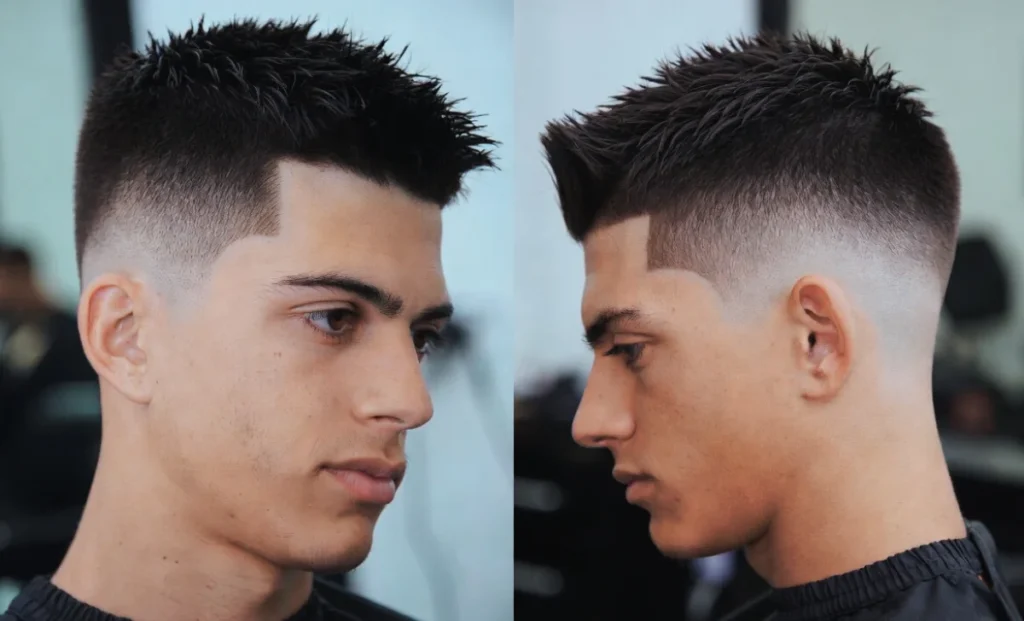
A skin fade takes the hair down to the scalp at its shortest point, creating the cleanest, sharpest look possible. The low skin fade vs mid skin fade difference is striking—the low version keeps the skin-level portion minimal and low, while the mid skin fade vs low comparison reveals more visible skin showing higher up the sides. The mid vs low skin fade choice depends on how bold someone wants their look.
Low Drop Fade vs Mid Drop Fade
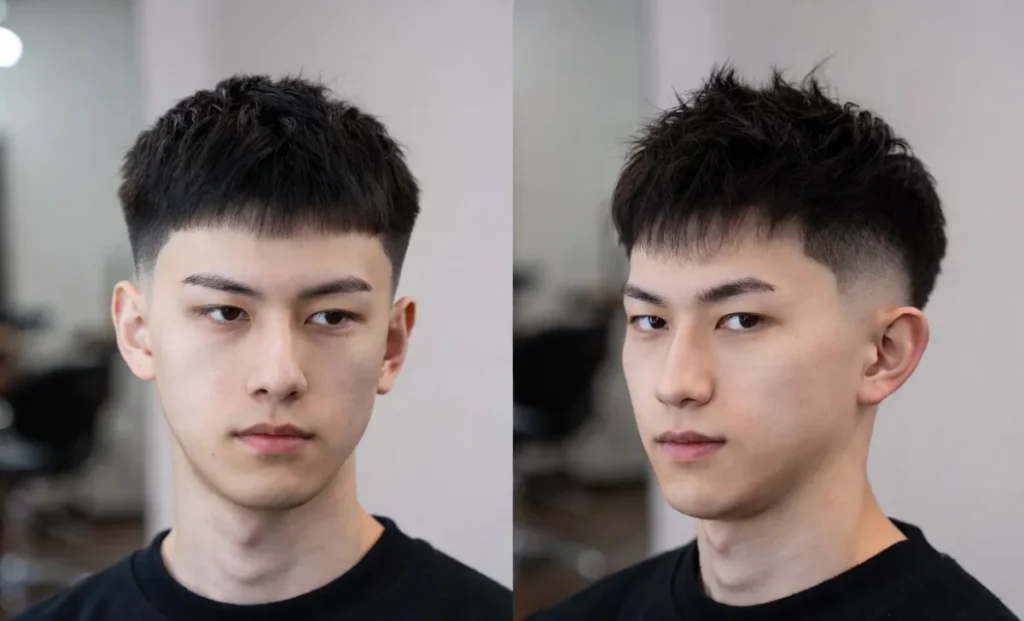
Drop fades follow the natural curve behind the ear, creating an arc rather than a straight line. The low drop fade vs mid drop fade distinction affects how dramatic that curve appears. A low drop vs mid drop fade consideration involves whether someone wants subtle contouring or more pronounced shaping. The mid drop fade vs low fade comparison shows how the mid version accentuates head shape more noticeably.
Low Burst Fade vs Mid Burst Fade
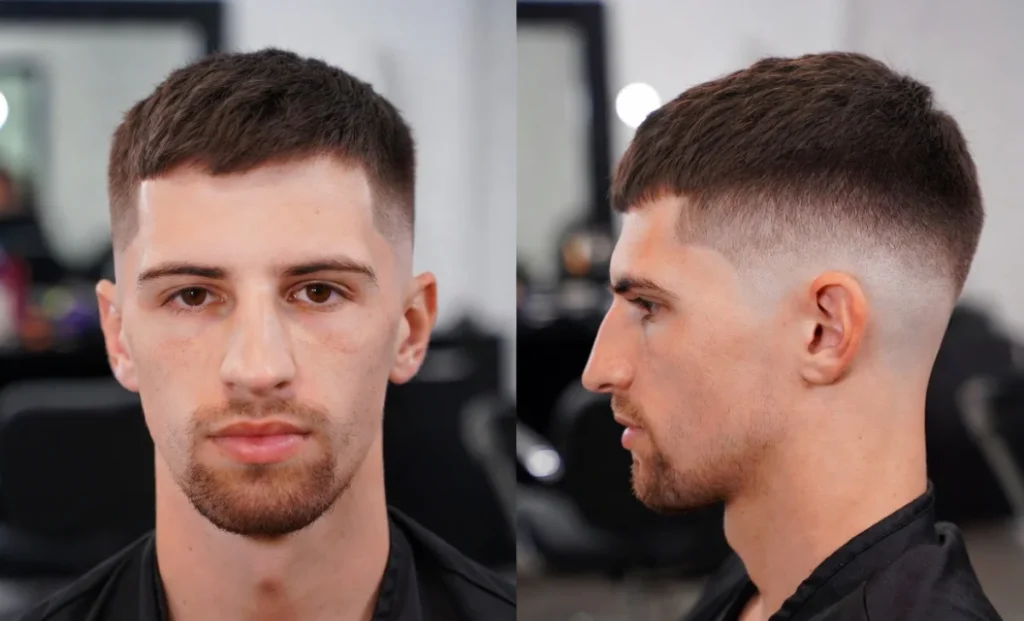
Burst fades create a semicircular pattern around the ear, popular with mohawks and faux hawks. The low burst fade vs mid burst fade difference changes where that burst effect becomes most visible. When comparing low vs mid burst fade styles, the mid version creates more dramatic framing. The mid burst fade vs low burst fade debate often favors the mid for its eye-catching effect, while low vs mid vs high burst fade options show increasing intensity.
Low Bald Fade vs Mid Bald Fade: The Boldest Options
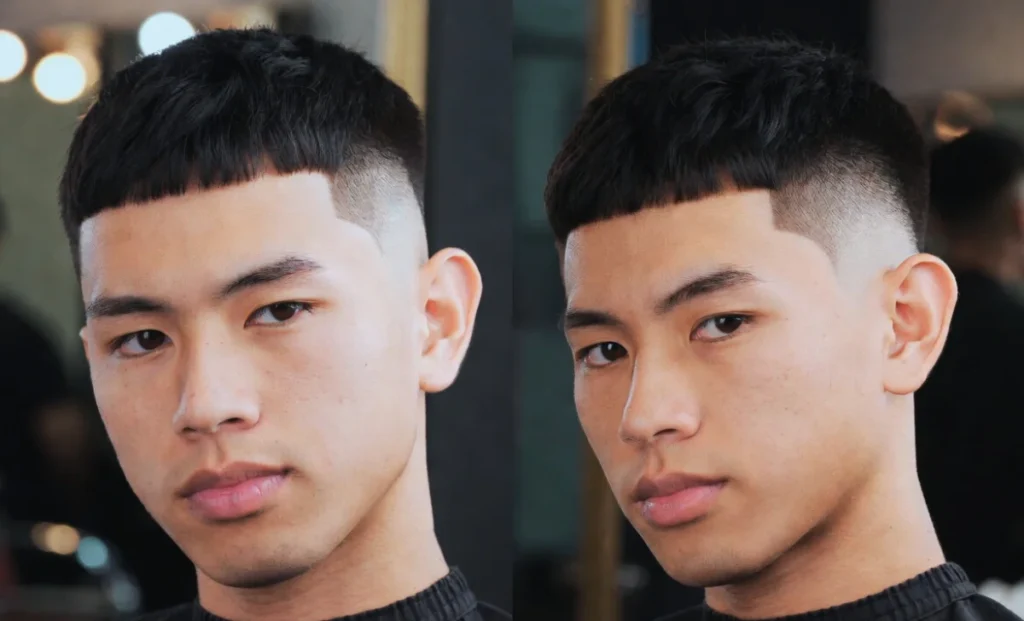
Bald fades completely remove hair down to the skin, creating the most dramatic contrast possible. The low bald fade vs mid bald fade comparison is about placement—low keeps the bald portion minimal and discrete, while mid brings it higher for more impact. Both create clean, sharp looks that require regular maintenance.
“Bald fades are having a major moment in 2025,” says celebrity barber Michael Torres. “Athletes and entertainers are pushing this look into the mainstream. It’s bold, it’s clean, and it makes a statement.”
Haircut Context: Making the Right Choice
Low Fade Haircut vs Mid Fade Considerations
When deciding on a low fade haircut vs mid fade approach, consider several factors:
Face Shape: Longer faces often benefit from low fades that don’t elongate proportions further. Round faces can use mid fades to create length illusion. Oval faces can wear either style beautifully, while square faces look great with mid fades that soften angular features.
Hair Density: Thicker hair handles mid fades well since there’s plenty of volume to work with. Finer hair might look better with low fades that preserve more fullness on the sides.
Professional Requirements: Conservative workplaces often prefer the low fade vs mid fade haircut decision to lean toward low. Creative fields, tech companies, and entrepreneurial settings embrace either option.
Age Considerations: Younger clients (teens to 30s) tend to gravitate toward mid fades, while mature professionals often prefer the timeless sophistication of low fades.
Low Fade vs Mid Fade Haircut Men Preferences
The low fade vs mid fade haircut men conversation reveals diverse preferences across demographics. Some prioritize easy maintenance, making the low fade vs mid fade reddit discussions particularly informative for real-world experiences. Others want maximum style impact, leading them toward mid options.
In my barbershop, about 60% of clients under 30 request mid fades, while 70% of clients over 40 choose low fades. That generational divide reflects both style preferences and lifestyle considerations.
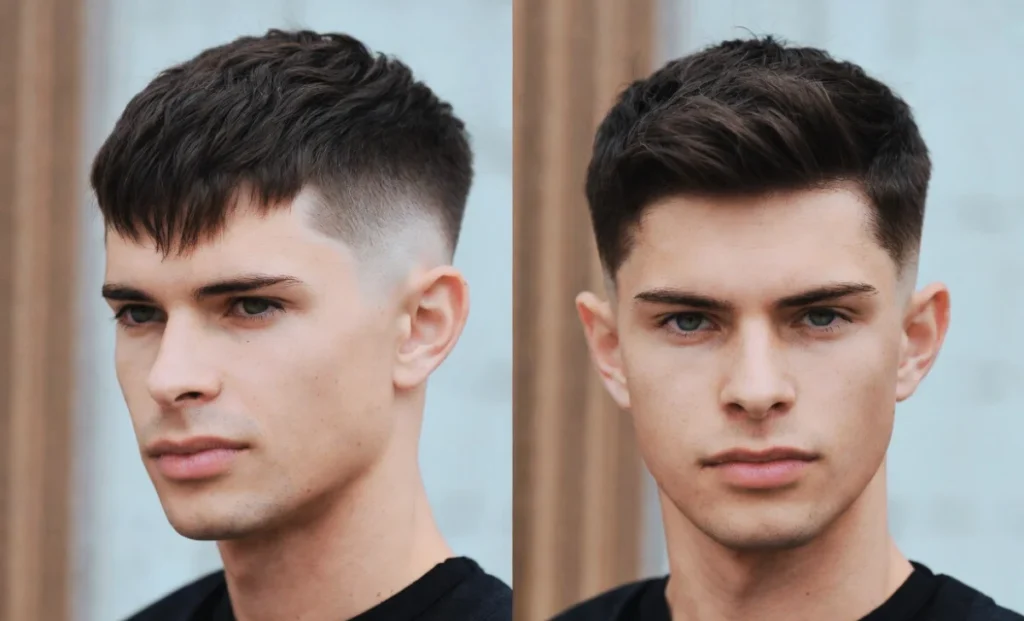
Practical Styling: Mid Fade vs Low Fade Haircut Execution
Getting the Cut Right
Whether choosing mid fade vs low fade haircut styles, communication with the barber is crucial. Bring reference photos showing exactly where the fade should start. Discuss the gradation speed—faster transitions create more dramatic contrast, while gradual fades look softer.
“I always appreciate when clients show me multiple angles of their reference photo,” I tell first-time visitors. “Instagram shots look great, but they don’t always show the technical details I need to replicate the style perfectly.”
Maintenance Requirements
A low fade vs mid comparison for upkeep shows that low fades typically last longer between cuts since the transition starts lower. Mid fades may need touch-ups every 2-3 weeks to maintain sharp lines, while low fades can sometimes stretch to 3-4 weeks.
Annual Maintenance Cost Breakdown:
- Low Fade: 13-17 cuts per year × $40 average = $520-680 annually
- Mid Fade: 17-26 cuts per year × $45 average = $765-1,170 annually
Popular Combinations and Modern Trends
Mid Fade vs Low Fade with Different Top Styles
Both fades pair beautifully with various top styles:
- Pompadours: Work with both, but mid fades create more drama and proportion
- Quiffs: Complement either fade, depending on desired balance
- Textured crops: Look fantastic with both low and mid options
- Slick backs: Pair well with low fades for classic elegance
- French crops: Trend beautifully with mid fades in 2025
- Curly tops: Showcase exceptionally well with mid fades
Current Preferences in the Low vs Mid Fade Debate
Modern trends show increasing appreciation for mid fades due to their versatility and social media visibility. However, low fades remain timelessly popular for their sophistication. The mid vs low fade conversation doesn’t have a winner—both serve different purposes beautifully.
2025 Trending Combinations:
- Mid fade + textured crop (most requested style this year)
- Low fade + classic side part (comeback style)
- Mid taper fade + curly top (social media favorite)
- Low skin fade + slick back (professional’s choice)
Celebrity influences matter: When Drake debuted a mid fade in October 2025, searches for the style increased 127% according to Google Trends data.
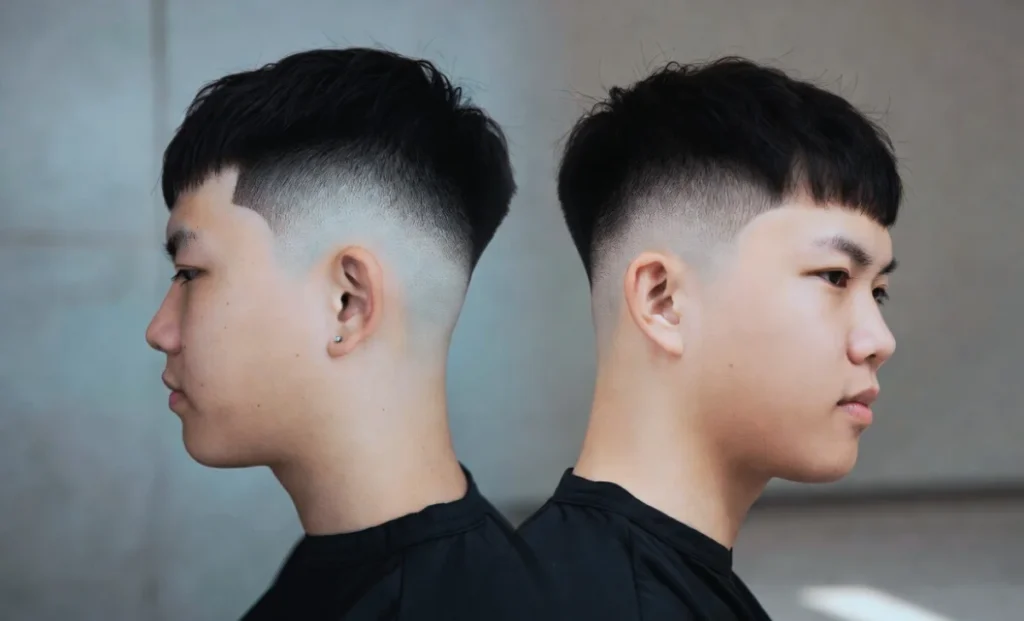
Expert Tips for Each Fade Type
For Low Fades:
- Request a gradual blend to maximize the subtle effect
- Consider pairing with classic top styles for cohesive elegance
- Maintain the neckline regularly even when stretching time between full cuts
- Use lightweight styling products to avoid weighing down the maintained length on sides
- Consider this style if you swim or work out frequently—it handles moisture better
For Mid Fades:
- Ask for precise temple-level starting points for consistency
- Experiment with different top lengths to find the best proportion
- Keep styling products handy to maintain the top volume that balances the fade
- Schedule cuts more frequently during important events or busy work periods
- Invest in a quality trimmer for home maintenance between barbershop visits
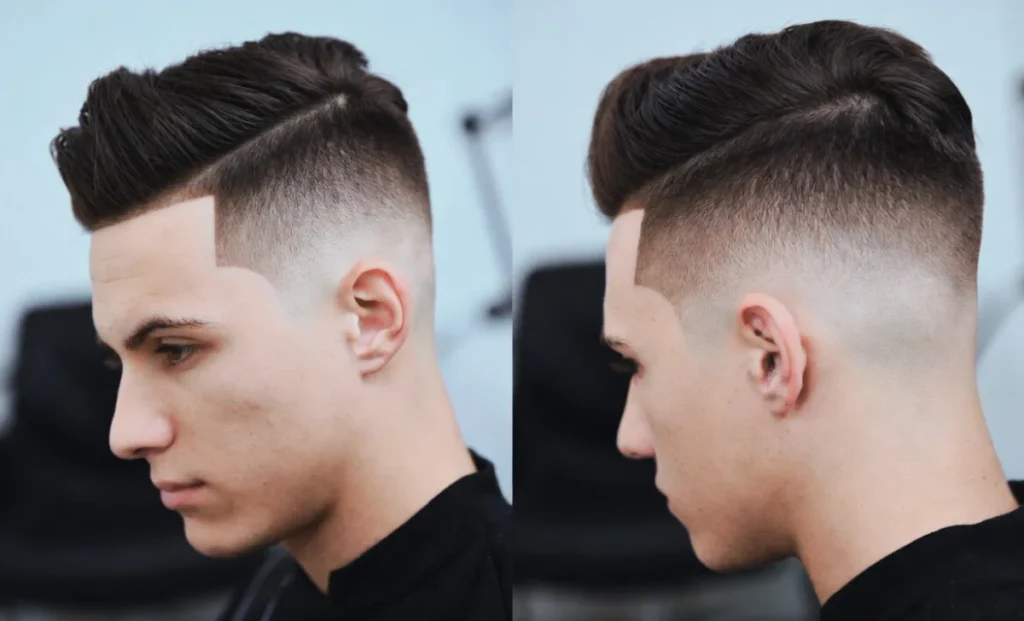
Common Mistakes to Avoid
After seeing thousands of fade haircuts, I’ve noticed recurring mistakes that lead to disappointing results:
Mistake #1: Choosing Style Over Suitability
The most common error is selecting a fade based solely on trends rather than face shape and hair type. A fade that looks incredible on a celebrity with thick, coarse hair might not translate well to someone with fine, straight hair.
Mistake #2: Poor Communication with Barbers
Saying “just a fade” without specifying low, mid, or high leads to inconsistent results. Always be specific about where you want the fade to begin.
Mistake #3: Neglecting Maintenance
Mid fades look best with regular maintenance. Letting them grow out too long creates an awkward, unbalanced appearance. Budget both time and money for upkeep.
Mistake #4: Ignoring Hair Growth Patterns
Cowlicks, whorls, and natural growth patterns affect how fades grow out. A skilled barber accounts for these, but clients need to understand their hair’s natural behavior.
Mistake #5: Mismatching Fade and Top Style
A ultra-short crop with a low fade can look disproportionate. Similarly, a massive pompadour with a subtle low fade might lack the contrast needed for visual impact.
Frequently Asked Questions
Which fade should I get for my first haircut, mid or low?
For first-time fade clients, I typically recommend starting with a low fade. It’s more forgiving as it grows out, requires less frequent maintenance, and works in virtually any setting. Once comfortable with the low fade, experimenting with a mid fade becomes an easy next step. The transition helps clients understand their maintenance commitment and styling preferences before going bolder.
Will a mid fade or low fade look better with my curly hair?
Curly hair generally showcases beautifully with mid fades because the contrast makes the natural texture pop. The mid fade creates a “spotlight effect” that draws attention to the curls on top. However, if someone has very tight curls and wants a softer, more natural look, a low fade preserves more texture on the sides while still looking clean and intentional.
How often do I need to maintain a mid fade vs low fade?
Low fades typically need professional touch-ups every 3-4 weeks to maintain their intended look, though they can stretch to 5-6 weeks if necessary. Mid fades require more frequent maintenance—every 2-3 weeks—because the fade line is more visible and grows out more noticeably. Between appointments, home maintenance with quality clippers can extend the professional look by an extra week.
What’s the difference between mid fade and low fade for black men?
For Black men, both styles work exceptionally well, but the choice often depends on hair texture and personal style. Mid fades tend to be more popular in Black barbershops because they create striking contrast with natural hair textures, from waves to coils. The mid fade highlights shape-ups and edge work beautifully. Low fades offer a more conservative option while still looking sharp and intentional. Many clients alternate between both depending on the season or occasion.
Can I pull off a fade if I have a receding hairline?
Absolutely. In fact, fades can be strategic for receding hairlines. A low fade draws less attention to the hairline by maintaining more coverage on the sides. Mid fades work when paired with the right top style—a textured forward-styled top can minimize the appearance of recession. The key is working with a barber who understands how to balance proportions and create the illusion of fullness.
Which fade is better for professional office environments?
Low fades remain the safest choice for conservative corporate environments like finance, law, and traditional business settings. They’re neat, professional, and understated. However, mid fades have gained acceptance in modern professional settings, especially in tech, creative industries, and companies with relaxed dress codes. When in doubt, observe what senior colleagues wear, or start with a low fade and transition to mid if the culture supports it.
Do fades work with thinning hair?
Yes, fades can actually help manage the appearance of thinning hair. Low fades create a gradual transition that doesn’t emphasize thinning areas. The key is maintaining adequate length on top to provide coverage while keeping sides tight and clean. Many men with thinning hair find that fades make their hair look fuller by creating contrast and structure.
How do I maintain my fade between barbershop visits?
Invest in quality clippers with various guard lengths. For low fades, clean up the neckline and around the ears weekly. For mid fades, lightly blend any obvious grow-out lines with a slightly longer guard than your shortest fade section. Always work conservatively—it’s easier to take more off than to fix an over-cut mistake. YouTube has excellent tutorials for home maintenance, but never attempt to recreate the entire fade yourself.
What products should I use to style a fade haircut?
Product choice depends on the top style more than the fade itself. For textured looks, use a matte clay or paste. For sleek styles, pomades work well. For natural looks, light creams or leave-in conditioners suffice. Curly hair benefits from curl-defining creams. The fade itself typically doesn’t require product—it’s the top length that needs styling attention.
Is a mid fade or low fade better for thick hair?
Thick hair handles both styles well, but mid fades can be particularly flattering because they reduce bulk on the sides while showcasing volume on top. The contrast created by a mid fade helps balance proportions when someone has naturally thick, dense hair. Low fades work too, but ensure your barber removes enough weight from the sides to prevent a “mushroom” effect as it grows.
Regional and Cultural Fade Preferences
Fade preferences vary significantly by geography and cultural background. In my travels to barbering conventions and guest spots at shops across the country, I’ve noticed distinct regional patterns:
West Coast (California, Oregon, Washington): Mid fades dominate, often paired with longer, textured tops. The aesthetic leans modern and fashion-forward.
East Coast (New York, Boston, Philadelphia): More balanced distribution between low and mid, with strong preference for clean, sharp lines regardless of height.
South (Texas, Georgia, Florida): Low fades remain more popular, particularly in professional and religious communities. Burst fades and drop fades have strong followings.
Midwest (Illinois, Michigan, Ohio): Conservative low fades for professionals, mid fades for younger demographics and creative fields.
Urban vs. Rural: Urban barbershops see more mid fade requests, while rural areas tend toward low fades and traditional tapers.
Cultural Considerations: In Black barbershops, mid fades predominate. Latino communities often prefer low to mid fades with sharp line work. Asian communities show growing interest in mid fades, particularly among younger generations.
Making Your Final Decision
When contemplating the low fade vs mid question, ask these key questions:
- What’s the primary setting? Professional environments might favor low, while creative spaces embrace mid.
- How much maintenance is manageable? Less frequent cuts point toward low fades.
- What face shape needs consideration? This affects which fade creates the most flattering proportions.
- What’s the comfort level with boldness? Conservative preferences lean low, while fashion-forward choices go mid.
- How does hair texture factor in? Different hair types showcase each fade differently.
- What’s the budget for regular maintenance? Mid fades cost more annually due to frequency.
- Are there cultural or generational preferences? Family expectations and community norms matter.
- How important is styling versatility? Mid fades offer more dramatic styling options.
The Professional Barber’s Perspective
Let me share something I tell every client who sits in my chair uncertain about their fade choice: there’s no permanent decision here. Hair grows back. Styles evolve. What matters most is starting with a skilled barber who understands your hair, listens to your goals, and has the technical ability to execute either style flawlessly.
In my 15 years of barbering, I’ve seen trends come and go. High fades dominated the early 2010s. Low fades made a strong comeback around 2018. Now in 2025, mid fades are having their moment. But quality barbering—the kind that considers individual features, lifestyle, and preferences—never goes out of style.
The best barbers don’t push trends. We guide clients toward what genuinely suits them, even if that means recommending the less fashionable option. When someone with a long face shape asks for a high fade because it’s trending, I’ll gently suggest why a low or mid fade might serve them better. That’s the difference between a haircut and a service built on expertise.
Conclusion
In the end, choosing between a low fade and a mid fade boils down to personal preference, lifestyle, and styling goals. The low fade delivers timeless subtlety and professional polish, while the mid fade offers modern versatility and bold definition. Neither is superior—they simply suit different aesthetics. Both styles flatter diverse face shapes, hair types, and preferences, earning their staple status in men’s grooming.
Try each over time; hair grows back, tastes evolve, and adaptability is key. A skilled barber is essential—communicate clearly with references for the best result. After 15 years and 20,000+ fades, I’ve learned: the perfect fade isn’t about trends or celebrities. It’s the one that boosts your confidence, fits your life, and highlights your features. Everything else is details.
Read More: 40+ Jaw-Dropping Low Skin Fade Styles That’ll Make You Screenshot This Instantly and also get a perfect and unique beard growth with this Beard Growth Calculator.